Harm Close To Home Disastrous Western
cbsnewsstatic.comhttps://assets1.cbsnewsstatic.com/hub/i/2025/09/03/7a54c771-f6bf-477d-a1f8-a9874dcd4237/cbsn-fusion-what-we-know-about-the-deadly-us-strike-against-apparent-venezuelan-drug-carrying-boat-thumbnail.jpg?width=768
Trump’s second-term cannonball into the Western Hemisphere’s community pool has roiled the neighborhood. Here are a few of his brash assertions: Canada should become the 51st state. Greenland is ours. Let’s launch missiles and deploy special forces to go after narco-cartels. The United States-Mexico-Canada Agreement that I negotiated cheats American workers. I don’t like Brazil’s conviction of a former president for orchestrating a coup to remain in power, so I’m putting 50 percent tariffs on Brazil. We’re not going to speak out on the state of democracy, rule of law or human rights in Latin America. Watch this – Tom Clancy-style – I’m going to blow drug boats out of the water while trying to scare Venezuelan leader Maduro out of power.
Here are the implications for all of us from the outlandish statements and egregious actions in our neighborhood:
Loss of shared values: Dialogue, debate and diplomacy over more than six decades shaped the Western Hemisphere, as it transitioned from a period in which most countries had authoritarian regimes to democracies. We emphasized collaboration and cooperation over conflict and unilateralism. While not a straight line nor without setbacks, results during my 32-year career was a policy preference for joint action to promote good governance and mutual respect. The Alliance for Progress, the Democratic Charter, the Panama Canal Treaty, Plan Colombia, the Caribbean Basin Security Initiative, the Central American Regional Security Initiative, and myriad other arrangements and agreements, tactic or explicit, expressed those shared values. Trump’s unilateralism, performative diplomacy, and disdain for agreements and legacy jeopardize the neighborhood’s capacity to undertake joint action.
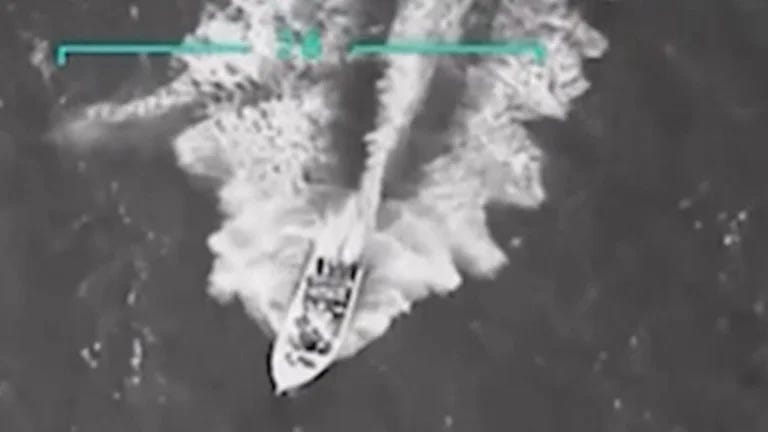
Diminished respect for the rule of law: International law is predicated on accepted practice. Trump’s gunboat actions against alleged narcotics runners threaten that practice. Lowering the threshold for what constitutes a legitimate national security threat, Trump opens the door to greater global disorder. Failure to make the case that the boats were indeed trafficking narcotics erodes U.S. authority and credibility – and puts any American on a boat in international waters at risk of retaliation. His efforts to twist the arm of Brazil’s judiciary via punitive tariffs undermines the rule of law we promoted for decades. Inability to ground U.S. actions in rule of law will mean the United States will increasingly have to go it alone, whether or not it wishes to do so.
Growing geopolitical instability: Erratic behavior by Trump only amplifies internal and sub-regional instability and opens the door to extra-hemispheric actors. One only need look at the collapse of the U.S. soybean market as China turns away from long-time and reliable U.S. farmers to make massive purchases from Brazil and other countries to understand the global dynamics at play. Absent a reliable United States, Brazil, Canada and Mexico are striving to put up trade guardrails to hedge against the United States.
Fighting the Wrong Drug War – and Losing Allies: U.S. military actions in the Eastern Caribbean today are insanely expensive and inefficient. The United States is literally swatting flies with a $15+ million dollars/day flotilla launching $200,000+ missiles at essentially disposable fiberglass hulls. It is but one example of the foolish squandering waste of U.S. treasure and political capital. Impact on the drug trade is about nil: significant drug movements do not transit the Eastern Caribbean, but rather the Pacific coast of the Americas; the most deadly drug threat is fentanyl that originates nearly exclusively from Mexico; and the networks that move drugs remain intact and can withstand the loss of these launches. Necessary partner Mexico, mindful of its history of U.S. interventions and with a deep allergy to use of military force, will resist this militaristic behavior. Colombia, where the United States has invested billions over more than two decades, is walking away from the United States. If replicated to other Hemisphere challenges – fighting disease, controlling migration, stemming corruption, combatting money laundering, and other risks – Trump’s go-it-alone approach will leave the United States bereft of partners, unable to attack problems at their root, and force Americans to shoulder the full burden of meeting them.
Decline in Economic Growth: Mexico and Canada are the number one and number two trade partners of the United States. Period. U.S. trade agreements in the Caribbean, Central America, Panama, Colombia, Ecuador, Chile and elsewhere drive economic growth and stability. As it was produced, my F-150 pick-up crossed the U.S.-Canada border over a dozen times and incorporated numerous inputs from Mexico – all duty free – before rolling out the showroom door. If you’re eating oranges out of season, they probably came from Chile; the avocados for your Super Bowl guacamole are from Mexico. Trump’s disruption of Hemispheric trade patterns and disrespect for agreements is having an outsized impact not only on Americans’ grocery bill, but across the entire economy.
Other parts of the world hog the headlines, but Americans should pay close attention to the negative impact of Trump’s reckless actions in our immediate neighborhood. For over 32 years across my diplomatic career, U.S. led diplomacy was founded upon respect for democracy and human rights, collaboration to meet mutual threats (most notably illicit narcotics and the instability they bring), and free trade was intended to drive prosperity and security. While imperfect, these policies were part of qualitatively better outcomes from the Arctic north to the tip of Tierra del Fuego. We will live to regret the actions that are being taken against our own hemisphere.
Trump’s second-term cannonball into the Western Hemisphere’s community pool has roiled the neighborhood. Here are a few of his statements: Canada should become the 51st state, Greenland is ours, let’s launch missiles and deploy special forces to go after. The United States-Mexico-Canada Agreement that I negotiated cheats American workers. I don’t like Brazil’s conviction of a former president for orchestrating a coup to remain in power, so I’m putting 50 percent tariffs on Brazil. We’re not going to speak out on the state of democracy, rule of law or human rights in Latin America. Watch this: Tom Clancy-style, I’m going to blow drug boats out of the water while trying to scare Venezuelan leader Maduro out of power.
Here are the implications for all of us from the egregious statements and actions in our neighborhood:
Loss of shared values: Dialogue, debate and diplomacy over more than six decades shaped the Western Hemisphere, as it transitioned from a period in which most countries had authoritarian regimes to democracies. We emphasized collaboration and cooperation over conflict and unilateralism. While not a straight line nor without set-backs, results during my 35-year career was a policy preference for joint action to promote good governance and mutual respect. The Alliance for Progress, the Democratic Charter, the Panama Canal Treaty, Plan Colombia, the Caribbean Basin Security Initiative, the Central American Regional Security Initiative, and myriad other arrangements and agreements, tactic or explicit, expressed those shared values. Trump’s unilateralism, performative diplomacy, and disdain for agreements and legacy jeopardize the neighborhood’s capacity to undertake joint action.
Diminished respect for the rule of law: International law is predicated on accepted practice. Trump’s gunboat actions against alleged narcotics runners threaten that practice. Lowering the threshold for what constitutes a legitimate national security threat, Trump opens the door to greater global disorder. Failure to make the case that the boats were indeed trafficking narcotics erodes U.S. authority and credibility – and puts any American on a boat in international waters at risk of retaliation. His efforts to twist the arm of Brazil’s judiciary via punitive tariffs undermines the rule of law we promoted for decades. Inability to ground U.S. actions in rule of law will mean the United States will increasingly have to go it alone, whether or not it wishes to do so.
Growing geopolitical instability: Erratic behavior by Trump only amplifies internal and sub-regional instability and opens the door to extra-hemispheric actors. One only need look at the collapse of the U.S. soybean market as China turns away from long-time and reliable U.S. farmers to make massive purchases from Brazil and other countries to understand the global dynamics at play. Absent a reliable United States, Brazil, Canada and Mexico are striving to put up trade guardrails to hedge against the United States.
Fighting the Wrong Drug War – and Losing Allies: U.S. military actions in the Eastern Caribbean today are insanely expensive and inefficient. The United States is literally swatting flies with a $15+ million dollars/day flotilla launching $200,000+ missiles at essentially disposable fiberglass hulls. It is but one example of the penny wise, pound foolish waste of U.S. treasure. Impact on the drug trade is about nil: significant drug movements do not transit the Eastern Caribbean, but rather the Pacific coast of the Americas; the most deadly drug threat is fentanyl that originates nearly exclusively from Mexico; and the networks that move drugs remain intact and can withstand the loss of these launches. Major necessary partner Mexico, mindful of its history of U.S. interventions and with a deep allergy to use of military force, will resist this militaristic behavior. Colombia, where the United States has invested billions over more than two decades, is walking away from the United States. If replicated to other Hemisphere challenges – fighting disease, controlling migration, stemming corruption, combatting money laundering, and other risks – Trump’s go-it-alone approach will leave the United States bereft of partners, unable to attack problems at their root, and force Americans to shoulder the full burden of meeting them.
Decline in Economic Growth: Mexico and Canada and are the number one and number two trade partners of the United States. Period. U.S. trade agreements in the Caribbean, Central America, Panama, Colombia, Ecuador, Chile and elsewhere drive economic growth and stability. As it was produced, my F-150 pick-up crossed the U.S.-Canada border over a dozen times and incorporated numerous inputs from Mexico – all duty free – before rolling out the showroom door. If you’re eating oranges out of season, they probably came from Chile; the avocados for your Super Bowl guacamole are from Mexico. Trump’s disruption of Hemispheric trade patterns and disrespect for agreements is having an outsized impact not only on Americans’ grocery bill, but across the entire economy.
Other parts of the world hog the headlines, but Americans should pay close attention to the negative impact of Trump’s reckless actions in our immediate neighborhood. For over 35 years across my diplomatic career, U.S. led diplomacy was founded upon respect for democracy and human rights, collaboration to meet mutual threats (most notably illicit narcotics and the instability they bring), and free trade was intended to drive prosperity and security. While imperfect, these policies were part of qualitatively better outcomes from the Arctic north to the tip of Tierra del Fuego. We will live to regret the actions that are being taken against our own hemisphere.
Brian Naranjo is a Senior Foreign Service Officer with over thirty years of experience serving primarily in the Western Hemisphere. His service included three Venezuela tours (including as Deputy Chief of Mission until he was declared persona non grata and expelled), and tours as the senior political officer and chief of staff in Panama, Canada, Mexico, and Panama. At State, Brian directed the Political and Policy Coordination Office for the Western Hemisphere and the UN Political Affairs Office. He is a member of The Steady State.
Founded in 2016, The Steady State is a nonprofit 501(c)(4) organization of more than 300 former senior national security professionals. Our membership includes former officials from the CIA, FBI, Department of State, Department of Defense and Department of Homeland Security. Drawing on deep expertise across national security disciplines including intelligence, diplomacy, military affairs and law, we advocate for constitutional democracy, the rule of law and the preservation of America’s national security institutions.