The Bonfire Of Relief The Cruelty
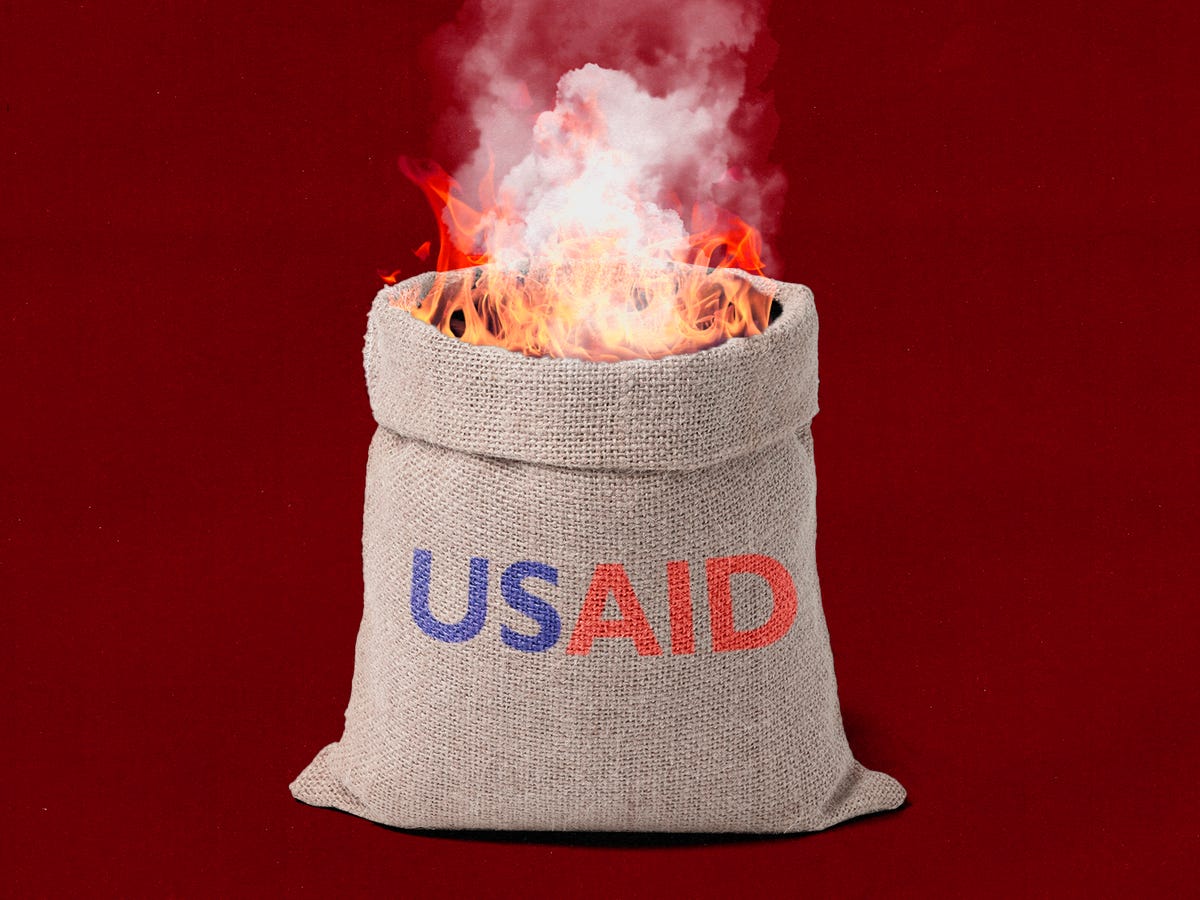
In the annals of government waste, few episodes are as staggering or as morally bankrupt as the Trump administration’s plans for incineration of lifesaving food, medication, and contraceptives. At a moment when communities across the United States face hunger and medical shortages and fragile states abroad are desperate for assistance, this administration has not only failed to act responsibly but actively lied about its options. Officials misrepresented what was being destroyed and insisted redistribution was impossible, when in fact well-worn channels existed. This was not mere bureaucratic ineptitude. It was a political choice, with consequences far beyond our borders.
A Policy of Destruction
When federal warehouses and contractors found themselves with surpluses of food aid, medicines, and reproductive health supplies, there were clear, lawful avenues for redeployment. USAID has (or had) decades of experience delivering such resources overseas, often in partnership with the World Food Program, UNICEF, and NGOs. The military, too, has logistical infrastructure capable of moving large shipments into disaster zones.
Instead, the Trump administration insisted these opportunities were unavailable or impractical. These claims were false. Internal records and outside experts showed that both the logistical channels and the demand existed. But rather than acknowledge these facts, the White House misrepresented the contents of warehouses. Contraceptives were branded as “abortion drugs.” Safe medications were deemed “expired.” Food aid was said to be “rotting” when it was still shelf-stable.
In warehouses in Belgium and the UAE, more than $12 million worth of contraceptives and HIV prevention drugs, many not due to expire until 2027 or later, were approved for destruction. The UN as well as international NGOs offered to take them at no cost to the U.S. government and deliver them to clinics where people desperately need them. Those offers were rejected. The current plan is for the U.S. to send them all to a destruction facility in France, at a cost to U.S. taxpayers of an additional $167,000.
Likewise in the Middle East, the U.S. government ordered the destruction of 500 metric tons of emergency food aid (high-energy biscuits) meant to feed malnourished children in crisis zones. Stored in Dubai, the shipment could have been rushed to any number of famine-stricken regions, from Gaza to Yemen or the Horn of Africa. Instead, the Administration delayed any decision for months, until the supplies expired and had to be destroyed.
Undermining USAID and Ourselves
The incineration of aid highlights why dismantling USAID was such a profound mistake. Development aid is not charity; it is strategy. Food, medicine, and reproductive health supplies are stabilizing forces that reduce the need for costly military interventions down the line. They build goodwill, create partnerships, and reinforce America’s reputation as a country that values human dignity. Sadly, the new message to the rest of the world is clear: the United States no longer considers development and humanitarian assistance a core pillar of its foreign policy.
That could not be more short-sighted. For decades, USAID programs have served not only as humanitarian lifelines but also as stabilizers in fragile states. Food distribution in famine zones reduces the risk of mass migration and insurgent recruitment. Access to basic medicines and reproductive health care empowers communities and lowers the chance that desperation will spill into violence. These are not abstract benefits, they are concrete investments in U.S. national security.
By incinerating aid rather than distributing it, the Trump administration signals disdain not only for suffering populations but for the very concept of soft power. In doing so, it weakens America’s influence and creates openings for rivals. When the United States withdraws from humanitarian leadership, Russia and China step in, often with fewer strings attached and with strategic ambitions in mind. Destroying food and medicine means abandoning tools of diplomacy that once set us apart.
The human toll is tragic. Families abroad go without food that is sitting in warehouses or destroyed. Clinics in Africa, South Asia, and Latin America face shortages of medications. Women lose access to contraception and HIV sufferers to lifesaving medications, with long-term implications for health and economic stability.
But the strategic toll is just as stark. Every shipment destroyed erodes trust in U.S. promises. Local leaders, already skeptical of Washington’s commitments, turn elsewhere. Extremist groups exploit shortages to recruit followers, pointing to American waste as evidence of our indifference. Humanitarian groups, once eager to partner with USAID, report diminished confidence in U.S. reliability.
How Did We Get Here? Where Do We Go?
It appears that three motivations drove the Administration’s approach. First, the all important ideological warfare. By recasting contraceptives as “abortion pills” and disparaging food aid as “spoiled,” the administration satisfied culture-war priorities at home, regardless of the consequences abroad. Then there were the optics. Redistribution would have revealed earlier failures of management, particularly regarding the dismantling of USAID. Destruction conceals missteps by eliminating evidence. Finally and most tragically, there is the complete indifference to global stability. The administration does not see humanitarian aid as an extension of U.S. security. Aid is simply a bargaining chip, not a strategy.
The Administration’s decision to incinerate lifesaving food, medicines, and contraceptives is not just a bureaucratic failure, but a self-inflicted wound. It weakens America’s ability to project stability, squanders resources that can save lives, and hands our rivals opportunities to expand their influence. We should remember this not only as a tragedy of waste but as a stark reminder that when we abandon humanitarian leadership, we imperil our own security. Government can and should serve as a bulwark against chaos and not, through neglect and cruelty, as an accelerant.
Bruce Berton served as a U.S. diplomat for over three decades, ultimately rising to the senior ranks of the Foreign Service, including two years as Ambassador and Head of Mission at the Organization for Security and Cooperation in Europe’s (OSCE) Mission to Bosnia and Herzegovina. He is a native of the Pacific Northwest and a graduate of Pacific Lutheran University. He is a member of The Steady State.
Founded in 2016, The Steady State is a nonpartisan, nonprofit 501(c)(4) organization of more than 300 former senior national security professionals. Our membership includes former officials from the CIA, FBI, Department of State, Department of Defense and Department of Homeland Security. Drawing on deep expertise across national security disciplines including intelligence, diplomacy, military affairs and law, we advocate for constitutional democracy, the rule of law and the preservation of America’s national security institutions.