
The Burden Of Command Setting The
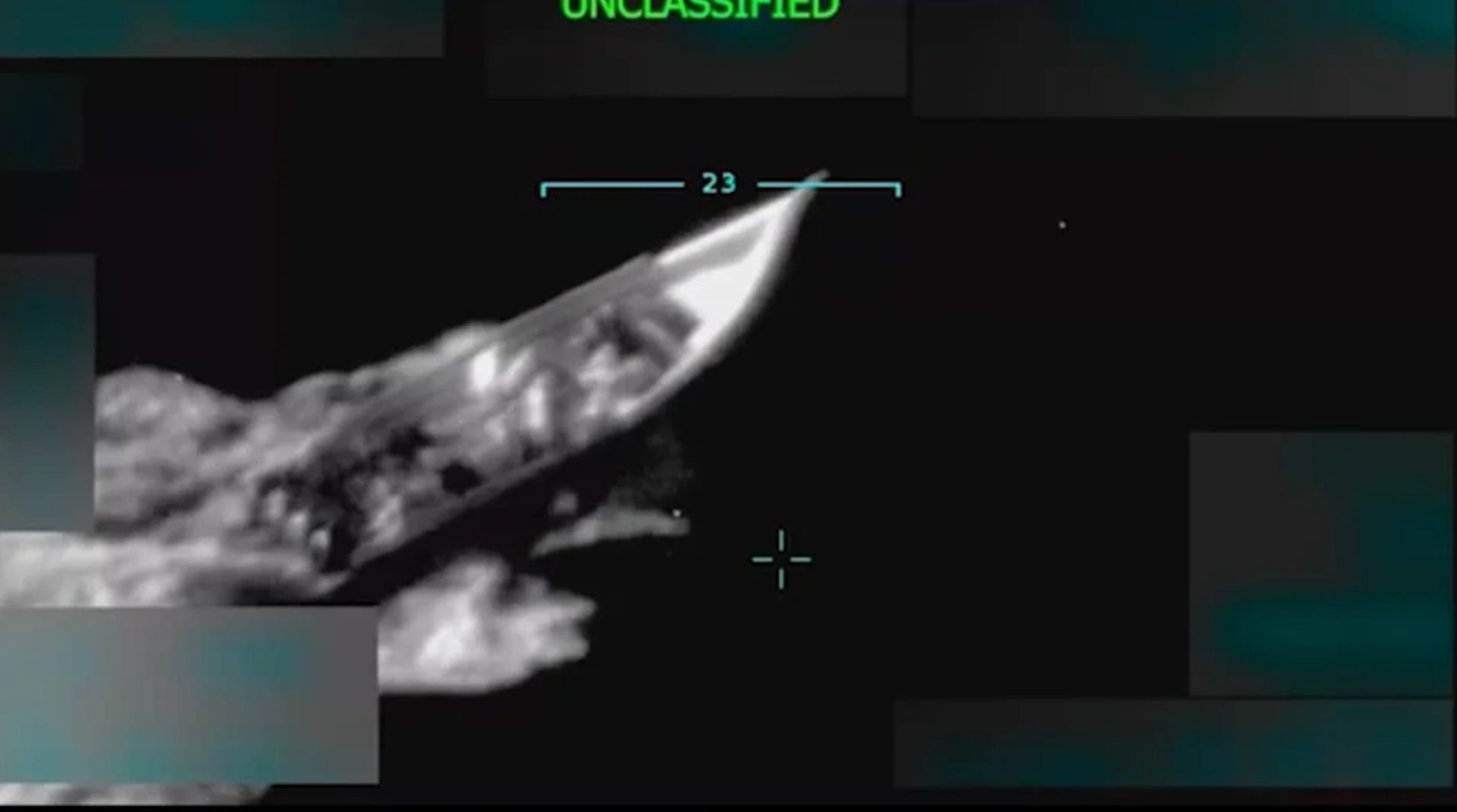
Bombing of Boat in the Caribbean off the Coast of Venezuela
Rodrigo Duterte was President of the Philippines from 2016 to 2022. His focus during his presidency was his “war on drugs,” which was characterized by extrajudicial killings of people suspected of involvement in the narcotics trade. Had he not been term-limited he might still be president. Instead, he sits in a cell in the Hague while he awaits trial by the International Criminal Court (ICC) on charges of “the crime against humanity of murder” stemming from his war on drugs.
Much has already been written by wise people steeped in the law about the legality — or lack thereof –of the attacks President Trump has ordered the US military to conduct against boats in the Caribbean and Pacific in his war on drugs. I am not in the slightest qualified to add to that growing body of legal opinion. What I can do is give a personal opinion from the narrow point of view of the military personnel ordered to execute the attacks.
All members of the US military receive briefings on the Geneva Conventions concerning standards of humanitarian treatment during war. Usually, the briefings emphasize the rights and duties of each servicemember if they become prisoners of war, but there is also coverage of how to treat enemy prisoners and noncombatants. There is, or should be, some basic level of awareness on the part of every servicemember of their obligations and rights under the Geneva Conventions.
However, it is not fair or practical to expect the soldier on the ground (or airman in the air, or sailor at sea) to make legal judgments about orders they receive except in very clear-cut cases, e.g., an order to execute a prisoner. In the case of action against boats in the Caribbean, until competent authority says otherwise, the person pulling the trigger on the boats has no choice but to assume that the order is lawful and constitutional, and that there is indeed intelligence saying that the boats are being operated by drug smugglers who are legitimate targets under national policy. (This does not give rise to the Nurnberg “I was just following orders” defense used to justify clear-cut crimes against humanity, where there could have been no doubt about the illegality of the Nazi policy.) Don’t ask the soldier today to determine if the policy to shoot up designated drug smuggling boats is legal or illegal, or if valid intelligence to support the designation does or does not exist.
A personal example might illustrate the soldier’s perspective, though it is not directly related to humanitarian concerns. In 1966 my Special Forces camp in Vietnam was attacked by a large Viet Cong force. After an intense fight the attackers were repulsed and at dawn withdrew the short distance across the Cambodian border. Cambodia was a nominally neutral country, and US forces were forbidden from crossing or firing across the border. Had they chosen to, our attackers could have stood on the border and thumbed their noses at us. These rules of engagement frustrated and angered us. We would have agreed with Pete Hegseth that they were “stupid.” Three years later, the Nixon-Kissinger “secret bombing” of Cambodia began. I participated in the ground operation – the bomb damage assessment – conducted by a small Special Forces team after the first bombing. The weight of public and legal opinion concerning the secret bombing was then and remains highly negative. To the people leading protected lives who delivered such negative opinions it was an unambiguously illegal situation. Not so to us. When the orders were opened the night before, the news that B-52s were going to strike inside Cambodia and that we were going to go in right after was met with cheers by the team. At last, the gloves were coming off.
Should I have refused to obey these orders? Perhaps, if I had the wisdom, experience, and perspective of someone further removed from the situation. But I continue to hold that it would be unfair to expect someone in my then-position to make such judgments.
Such applies to servicemembers now, at my then-low level. At the upper reaches of the military – for example, the generals and admirals who were subjected to Pete Hegseth’s theatrical lecture on September 30th — there is more of that wisdom and experience and a broader perspective. I would never presume to advise anyone in their positions on matters of policy, legality, or conscience. However, I can only presume that there is a lot of soul-searching underway on the parts of some high-ranking officers. Unfortunately, the Judge Advocate Generals (JAGs) who could advise those officers in their consideration of the legality of the attacks were all fired soon after the Trump administration took office.
No one in any universe expects that President Trump will end up before the International Criminal Court. The case of former President Rodrigo Duterte is still instructive, however: eventually, there are consequences to those who lead anti-drug–or other– wars of dubious legality and morality. Everyone, civilian or military, with a role in directing the current attacks on supposed drug-smuggling boats would do well to keep that in mind.
Michael Eiland is a retired Army Special Forces office. He is a member of The Steady State.
Founded in 2016, The Steady State is a nonprofit 501(c)(4) organization of more than 340 former senior national security professionals. Our membership includes former officials from the CIA, FBI, Department of State, Department of Defense and Department of Homeland Security. Drawing on deep expertise across national security disciplines including intelligence, diplomacy, military affairs and law, we advocate for constitutional democracy, the rule of law and the preservation of America’s national security institutions.