
The New National Security Strategy
“The first official National Security Strategy (NSS) of the second Trump administration, dated November 2025 and publicly issued in early December 2025, is a document that some will hate and some will love. But many will scratch their heads in bewilderment as they try to determine what it means for global security for the next three years, and perhaps beyond. The new strategy, based on a doctrine of “Civilizational Realism” and “Hard Sovereignty,” completely reimagines America’s role in the world, rebuking the idea of global leadership through alliance networks, trade integration, and the promotion of democratic values. It paints a picture of the United States as a country “under siege,” not just from foreign adversaries like China but also from “internal subversion” and a crisis of cultural identity, completely obliterating the post-Cold War consensus that shaped American foreign policy for over 70 years.”
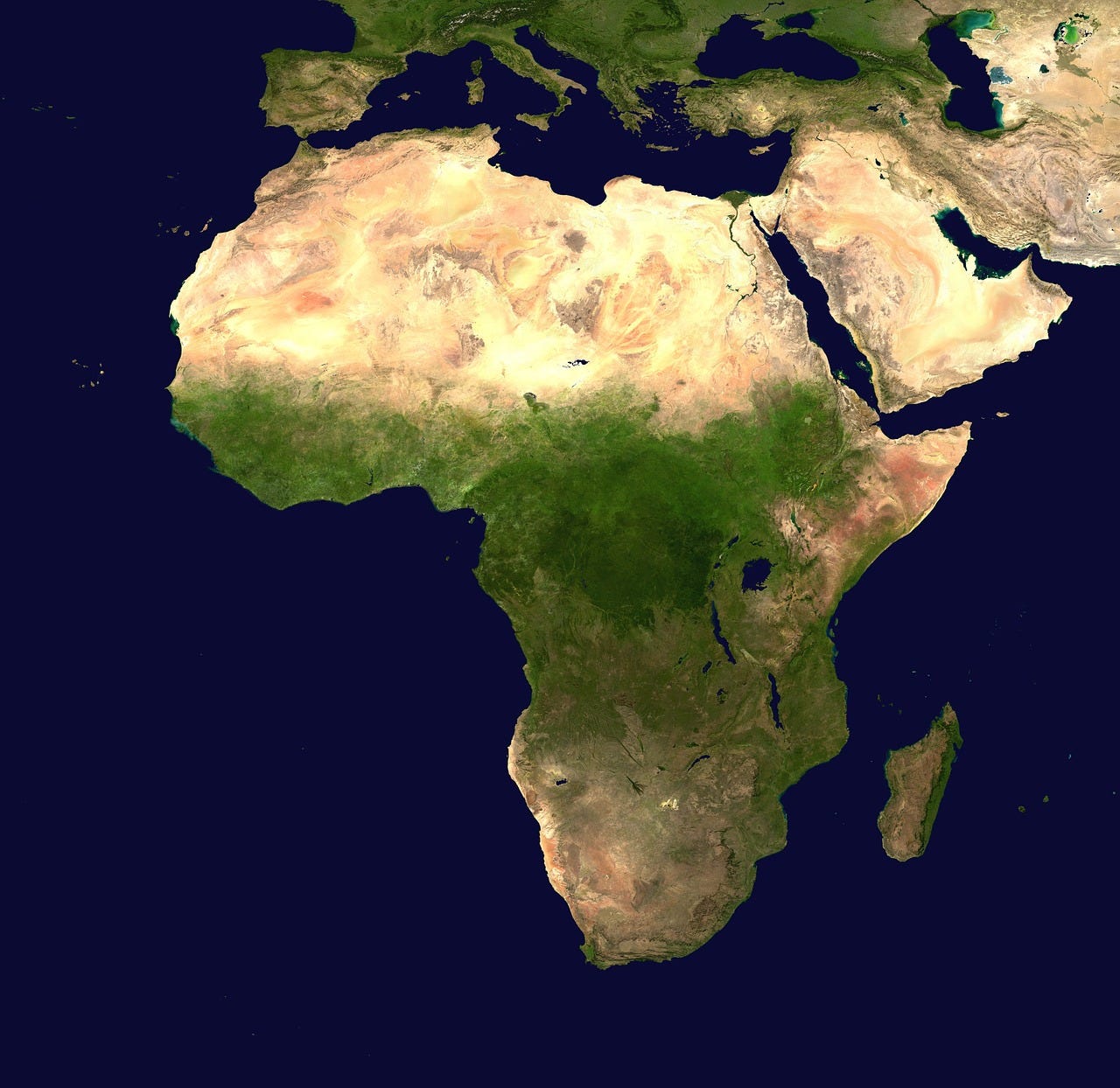
You are invited to read the entire article “The New National Security Strategy: A Transactional Document that Marginalizes Africa” published by FPRI on December 10, 2025
Charles A. Ray spent 20 years in the U.S. Army with two tours in Vietnam. He retired as a senior US diplomat, serving 30 years in the U.S. Foreign Service, with assignments as ambassador to the Kingdom of Cambodia and the Republic of Zimbabwe, and was the first American consul general in Ho Chi Minh City, Vietnam. He also served in senior positions with the Department of Defense and is a member of The Steady State.
Founded in 2016, The Steady State is a nonprofit 501(c)(4) organization of more than 360 former senior national security professionals. Our membership includes former officials from the CIA, FBI, Department of State, Department of Defense and Department of Homeland Security. Drawing on deep expertise across national security disciplines including intelligence, diplomacy, military affairs and law, we advocate for constitutional democracy, the rule of law and the preservation of America’s national security institutions.