
Indicators In Intelligence Analysis
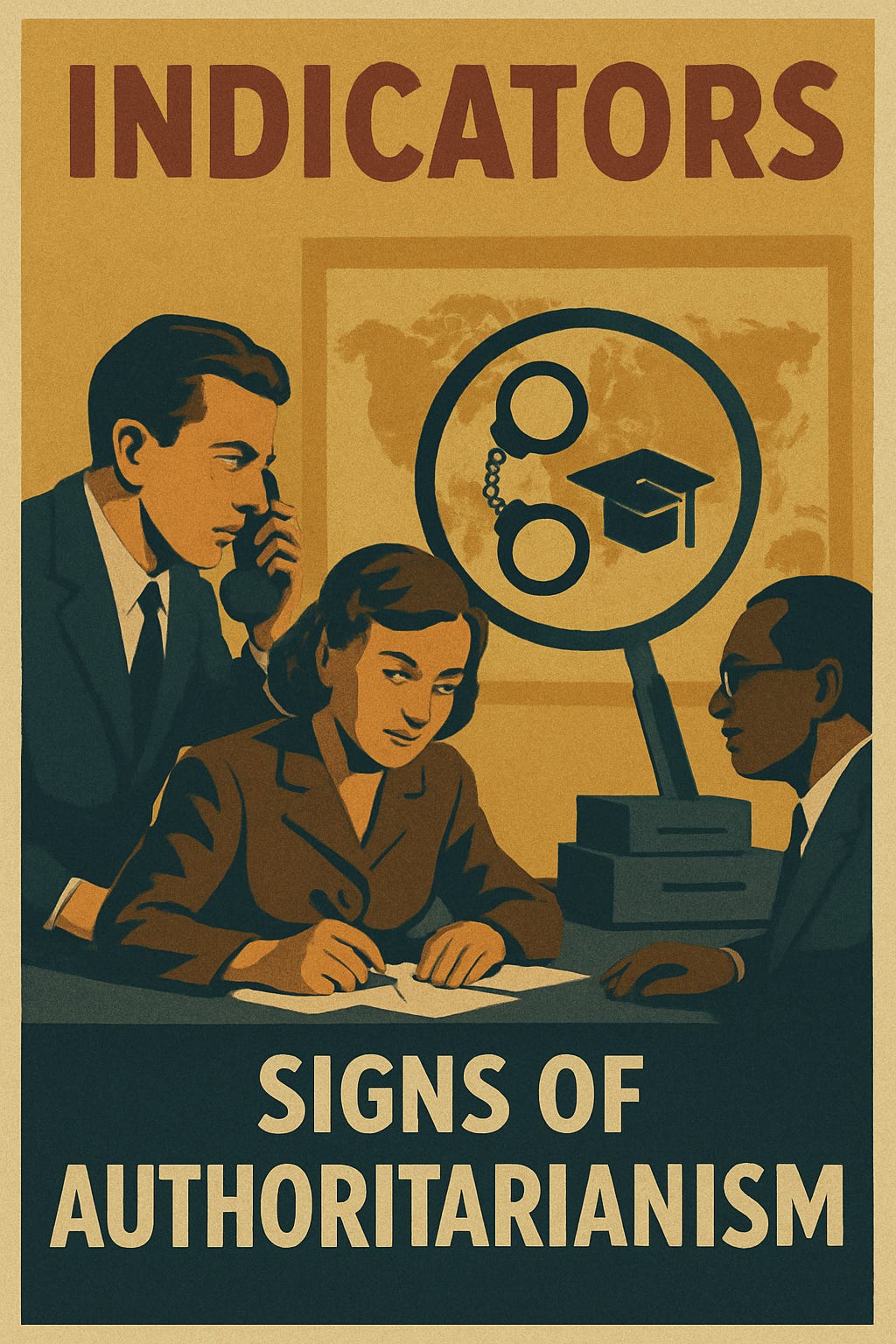
In the practice of intelligence analysis, the term “indicators” refers to observable actions, conditions, or behaviors that signal the potential occurrence of a particular event or shift in state, especially one relevant to national security. These indicators are not predictions but evidence-based signposts, carefully selected and monitored to warn decision-makers of developing threats. The concept plays a central role in anticipatory intelligence, where the goal is not only to understand the present but to foresee and prepare for the future.
The use of structured indicators became institutionalized during the Cold War, especially within the U.S. intelligence community’s efforts to detect signs of Soviet aggression or internal political shifts in adversary states. This practice emerged as part of “warning intelligence,” a discipline formalized in the aftermath of strategic surprises such as the 1949 Soviet atomic test and the 1950 North Korean invasion of South Korea (Gentry & Gordon, 2019). Agencies like the CIA and the Defense Intelligence Agency (DIA) developed extensive indicator lists to track potential Soviet military preparations, including logistic movements, command changes, or unusual troop deployments. These were often codified in “indications and warning” (I&W) frameworks (Proctor, 2024).
One of the earliest and most influential examples was the National Indications Center, established in 1954, which curated indicator lists designed to assess the likelihood of surprise attacks or major geopolitical shifts (McCone, 2005). The intelligence community would monitor these indicators continuously and flag sudden changes for higher-level policy review. As the Sherman Kent Center, an institution named after a foundational figure in intelligence analysis, emphasized, the key was to “avoid incident surprise and thus block or blunt damage” through methodical, evidence-based vigilance (Davis, 2003).
In the post-Cold War era, the indicators approach evolved beyond military threat detection. Intelligence and foreign policy analysts began applying the same methodology to monitor political developments overseas, including signs of democratic erosion or creeping authoritarianism. These indicators are drawn from social science research and comparative politics, incorporating variables such as the politicization of the judiciary, erosion of press freedoms, restrictions on civil society, electoral manipulation, and consolidation of executive power.
For example, the U.S. Department of State and intelligence community analysts monitoring democratic backsliding in countries like Hungary, Turkey, or Venezuela may track a tailored set of political indicators. These can include legislation curbing judicial independence, legal harassment of opposition figures, state capture of media, or the weakening of constitutional checks and balances. Organizations such as Freedom House, Varieties of Democracy (V-Dem), and the Economist Intelligence Unit often inform these assessments with quantifiable data and comparative trendlines (Freedom House, V-Dem Institute, & Economist Intelligence).
As described in Intelligence Analysis: A Target-Centric Approach by Robert Clark, the use of indicators in this broader context allows for “redefining the intelligence process to help make all parts of what is commonly referred to as the ‘intelligence cycle’ run smoothly and effectively” and “to describe some methodologies that make for better predictive analysis” (Clark, 2016). Analysts use them not only to assess what is happening, but to warn whether a country is on a trajectory toward authoritarian rule—a shift with significant implications for U.S. interests, regional stability, and global norms.
For example, an increasingly relevant indicator of authoritarianism is a State’s efforts to control academic and educational institutions. Such indicators include programs to control curriculum, admissions, faculty hiring and tenure, as well as intervention in the internal affairs of the institutions. The aim is to monitor and control what is taught, to and by whom it is taught, and to ensure that academic institutions support the regime’s preferred narratives in a broad array of subject areas. Most obviously are political theory, national history, and similar subjects, but many, if not most, authoritarian regimes also seek to control teaching of the arts and literature, all in service of the regime’s interests in acquiring and retaining power.
Here in the the last months, we have seen naked extortion to force flagship universities, such as Columbia, UVA and Harvard, to accede to various degrees of explicit government control, and the deployment of regulatory capabilities, such as anti-discrimination laws, to target not the intended disadvantaged groups, but those groups preferred by the government. Leveraging government funding of academic research has been tied to this effort, as have explicit calls by high-ranking officials to recharacterize the role of education as echoing their view of American values and history, not to mention glorifying the current President.
In sum, indicators remain an essential tool in the intelligence analyst’s toolkit, linking the Cold War’s rigorous warning systems to today’s equally urgent task of defending democracy and recognizing when it is at risk abroad.
References
-Clark, Robert. “Intelligence Analysis: A Target-Centric Approach”. CQ Press. 2016. https://www.cia.gov/resources/csi/static/A-Target-Centric-Approach.pdf.
-Davis, Jack. “If Surprise is Inevitable, What Role for Analysis?”. Sherman Kent Center for Intelligence Analysis Occasional Papers: Volume 2, Number 1. 2003. https://www.cia.gov/resources/csi/static/if-surprise-is-inevitable.pdf.
-Economist Intelligence. “Country Analysis service – for political and economic analysis”. EUI Viewpoint. 2025. https://www.eiu.com/n/solutions/viewpoint/political-and-economic-analysis/.
-Freedom House. “The Uphill Battle to Safeguard Rights”. Freedom in the World 2025: Report. 2025. https://freedomhouse.org/report/freedom-world/2025/uphill-battle-to-safeguard-rights.
-Gentry, John A., and Joseph S. Gordon. “Strategic Warning Intelligence: History, Challenges, and Prospects”. Georgetown University Press, 2019. https://doi.org/10.2307/j.ctvb4bsfx.
-McCone, John. “The Watch Committee–National Indications Center (U)”. Office of the Director of Central Intelligence. Approved for Release 2005. https://www.cia.gov/readingroom/docs/CIA-RDP94T00754R000100020002-7.pdf.
-Proctor, Jonathan. “The Warning Renaissance: Advancing the Art and Science of Warning in the US Intelligence Community and Beyond”. National Intelligence University, 2024.
-V-Dem Institute. “Democracy Report 2025: 25 Years of Autocratization – Democracy Trumped?”. Democracy Reports. https://www.v-dem.net/publications/democracy-reports/.