
The Trump Foreign Policy Hollow And
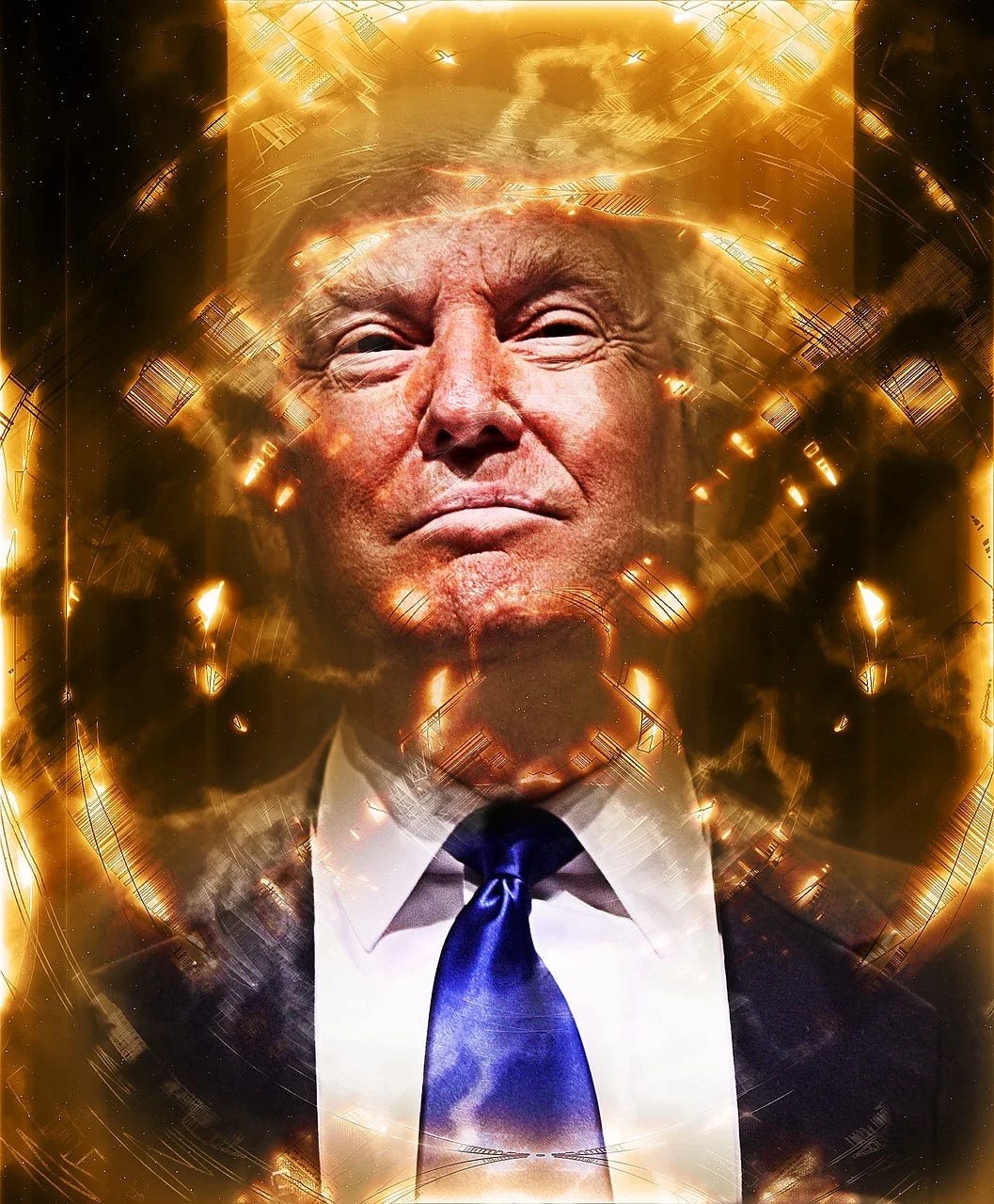
Trump has been anything but shy about asserting that a Nobel Peace Prize was rightfully his. At the moment, he is basking in the glow of an important achievement in that direction: his successful intervention in the Middle East to bring about a ceasefire and hostage release in Gaza. Newspaper headlines and round-the-world photos add to the adulation. He loves the fact that he, and not previous U.S. presidents, particularly his immediate predecessor, pulled this off.
However, before one reads too much into this accomplishment, several points should be considered.
Firstly, Trump’s action did not reflect any statesmanlike dexterity but consisted of something he understands well: pressure on a weaker party to cave to his demands. Netanyahu had no choice but to give in – Israel’s international isolation had swelled, his armed forces were exhausted, his population wanted a deal. And although he didn’t like what Trump was demanding, his usual trick of using the U.S. right wing and evangelical Christians to counter U.S. Presidents wasn’t going to work this time, given their fealty to Trump.
Secondly, Trump didn’t do it alone: heavy pressure by Turkey, Qatar, and Egypt on Hamas was also necessary.
Thirdly, although reaching a ceasefire and hostage-release deal was complicated– a similar draft deal had been on the table for months–it is in fact the simplest part of the efforts that must be made actually to bring about the lasting peace Trump has prematurely proclaimed. It will take much solid work, skill, patience, and luck to achieve these further steps, given the interests involved and the number of actors who must be part of any such arrangements. Any prospect of success will also require continued heavy U.S. attention and involvement in the process. Sadly, such patience, discipline, vision, and hard work are demonstrably not the Trump Administration’s strong suit. We might be surprised, but the chances are not good. And if this first deal should fall apart, or lead only to something inconsequential, what will Trump do then?
Unfortunately, there is a pattern to this dilettantism, coincidentally visible in two “Wall Street Journal” October 14 2025 articles on other conflict regions. “Trump Sets Sights on Peace in Ukraine” and “West Faces Snags in Securing Arctic” ran the titles. Whether Trump in fact intends to apply his “peacemaker” tailwind to good effect to Russia’s war on Ukraine remains to be seen, but as the piece did not refrain from pointing out, the key is increasing the pressure on Putin, for which Trump has to this point shown no appetite. The story’s last paragraph is probably the most significant: it speculates that Trump would prefer to seek a deal with Putin, acceptable to Russia– given Putin’s entrenched demands, this would be at Ukraine’s expense – and require leaning on Zelenskyy to cave. Given Trump’s past behavior, this is not unlikely. And if he can’t make that work — again we look at his erratic record — he might very well just walk away from the whole issue, since he mistakenly does not really believe that the U.S. has anything of its own at stake.
Similarly, the story on the Arctic, which dispassionately discusses the expansion of multi-dimensional Russian and Chinese threats to NATO and particularly its members in the Western Hemisphere, Canada and the U.S., makes clear that new Western attention and commitment are required to counter them. However, there is no evidence so far that the President or the Administration have grasped this idea.
The WSJ article cites Trump’s focus on missile defense: his “Golden Dome” plan for shielding the U.S. from missile threats from anywhere. Superficially appealing, the feasibility and strategic aspects of the idea are still open for debate, and the costs are enormous. The Congressional Budget Office has estimated $542 billion for the space-based components alone (quoted by a CBS News article from May 22, 2025). So far, no funding source is in sight. Trump reportedly also believes that allies “should increase cooperation on missile-defense technology” accordingly. It might not be a stretch to interpret all this as mirroring his “America First” approach; ie, “we’ll defend ourselves and the rest of you are on your own,” – combined with a not so subtle demand that others should contribute financially or in kind.
Although the point has been made before that Trump’s shoddy stewardship of U.S. foreign policy is dangerous to the country, it bears repeating. His quite bearable – to him – lightness of being (to mangle the title of Milan Kundera’s brilliant novel, “The Unbearable Lightness of Being”) requires permanent vigilance from the rest of us.
Tom Wolfson is a former senior U.S. diplomat who has lived and worked in six foreign countries, occasionally multiple times. His work representing the U.S. has included assignments at the United Nations, in the U.S. Congress, and with an international democracy-building organization. He is a member of The Steady State.
Founded in 2016, The Steady State is a nonprofit 501(c)(4) organization of more than 340 former senior national security professionals. Our membership includes former officials from the CIA, FBI, Department of State, Department of Defense and Department of Homeland Security. Drawing on deep expertise across national security disciplines including intelligence, diplomacy, military affairs and law, we advocate for constitutional democracy, the rule of law and the preservation of America’s national security institutions.