Us National Security And Globalism
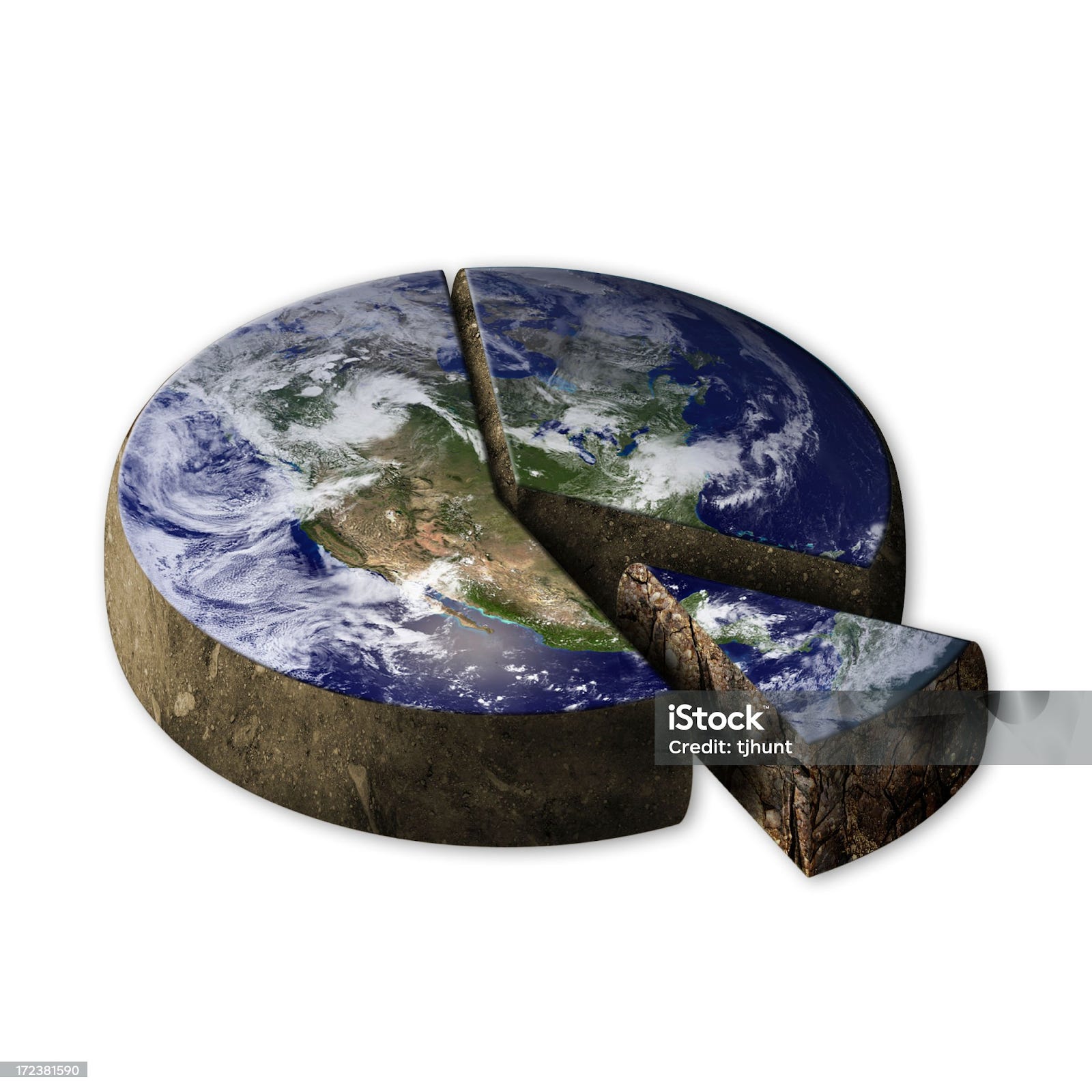
The U.S. has carved out its own neighborhood, leaving Russia and China to carve out theirs, free of unhelpful western influences and able to license their authoritarian satraps to act in the narrowest of interests.
The action by the US in Venezuela at the dawn of 2026 has put in place a vast and very likely long-lasting alteration to what was the slowly fracturing global structure that preceded it and to the status of the United States. It will be as permanent a change to the world of the 21st Century as any seismic event in world affairs since the World Wars of the 20th Century.
Don’t kid yourself, this is not just about Venezuela. This is about what amounts to a near-final step in carving a new role for our country, redefining it as a shrunken version of its former self, setting up Washington DC as little more than the local capo for the Western Hemisphere, and carelessly setting the rest of the world adrift or at the mercy of China and Russia. That is a stunning thing to say, but it derives from nothing less than a stunning set of actions that the American president has taken over the past year that is refashioning in fundamental ways who we are, what we are, what we will do, and what we will not do.
This is not about any single step taken since January of 2025, whether in trade, defense, foreign affairs, law, or principle. It is more than the sum of individual actions, but the aggregated impact of a series of moves that have already redefined not just the US but the future economic health and security of nearly every other country to one degree or another. To a considerable extent, the fate of many countries now lies not in their own hands but on the vagaries and whims of the neighborhood proconsul to whom we have relegated supremacy for their slice of the world. Some will be more profoundly affected than others.
We can see the beginnings of this historic shift with President Trump’s shameful betrayal of Ukraine. At times vacillating, at times disgraceful alignment with Putin, and always embarrassingly ignorant of the duplicity and base intentions of the Russian president who unerringly sought to delay our peace efforts in order to follow his insatiable desire for control of Ukraine. As part and parcel of that refusal to accept the reality of what every other statesman saw in Putin’s tricks and manipulation of Trump, the American president began his withdrawal from Europe. The enormity of that split is not to be underestimated. The Atlantic Consortium has long been not only the guarantor of European security against Russia but the fulcrum of international treaties and an example of what positive ends they could be used for. That alliance formed a nucleus of strength that other nations of the world could not dismiss. It is now, of course, considerably thinned and found only in the defense policies of a half dozen or so European countries.
Initially, Trump’s pressure on the EU to self-strengthen was positive in that it encouraged the stronger European nations to increase their defense spending and shoulder more of the defense burden. But Trump went too far, pressed the advantage, and has all but closed off our defense ties.
Not to be stopped, Mr. Trump carried on into other areas with absurd, fluctuating tariffs, trade wars, impertinent language hurtful to former friends, and his unprovoked slamming of what were solid relations with Canada and Mexico. Ironically, these two countries would fall within the president’s own Western Hemisphere neighborhood, slighting the only two real friends we have here.
Next comes the much maligned new National Security Strategy (NSS) rolled out in November. Those of us with backgrounds in national security, defense, diplomacy, soft power, and intelligence were staggered by its publication. America would withdraw formally from Europe and its balancing act with Eurasia and the Middle East. Russia would be the singular power in the entire region, characterized by the snarl of its disrespect for democracy and national sovereignty. The NSS ceded the region to the caprice of Vladimir Putin with little or no clarity of what US influences might be brought to bear.
There are key figures in the Trump administration who have declared China the number one enemy of the US. These men and women, known by name to those of us who follow Pentagon and budget maneuvering, must be highly distressed; China has been given the same dominant role in their neighborhood that Putin was for his. Journalists, commenters and politicians have correctly said that Xi Jinping and Vladimir Vladimirovich Putin feign disapproval of Trump’s attack on Venezuela, but are discreetly delighted with Trump’s three-way division of the earth, as each gets his piece. Trump’s actions suited the words of the NSS. Its description of the new world was more just a vision; the attack on Venezuela put flesh on its bones.
Quite apart from the question of the legality of what Trump has done, or how it further reduces the prospect of regaining separated powers, the bold, brash, congressionally uncoordinated action in Venezuela opens the door to more dissension and domestic chaos for our country. Put another way, not only has Trump emboldened two of our most determined adversaries to take actions they see fit for their own regional sovereignty (and what they probably consider implied nonintervention by the US), he has systematically continued to weaken American internal resolve to put itself back together, to civilly, politically, and socially coalesce.
While many Americans will rightly fuss over the unknown consequences of the action in Venezuela, they will also spend time deliberating, if not agonizing over the unknowable consequences of Trump’s blessing of the emerging power centers under Xi and Putin and their many willing satraps.
Make no mistake, all is not lost yet, but, like Scrooge’s options, we must change our ways, as we are on the threshold of a very different world.
Bill Piekney served 4 years in the US Navy, 30 years with the CIA retiring as a Senior Operations Executive, and 5 years as a Senior Consultant at ODNI, International Consultant in Intelligence and National Security. He is a member of The Steady State, an organization of former National Security officials.
Founded in 2016, The Steady State is a nonprofit 501(c)(4) organization of more than 360 former senior national security professionals. Our membership includes former officials from the CIA, FBI, Department of State, Department of Defense, and Department of Homeland Security. Drawing on deep expertise across national security disciplines, including intelligence, diplomacy, military affairs, and law, we advocate for constitutional democracy, the rule of law, and the preservation of America’s national security institutions.