
The Termites of Authoritarianism
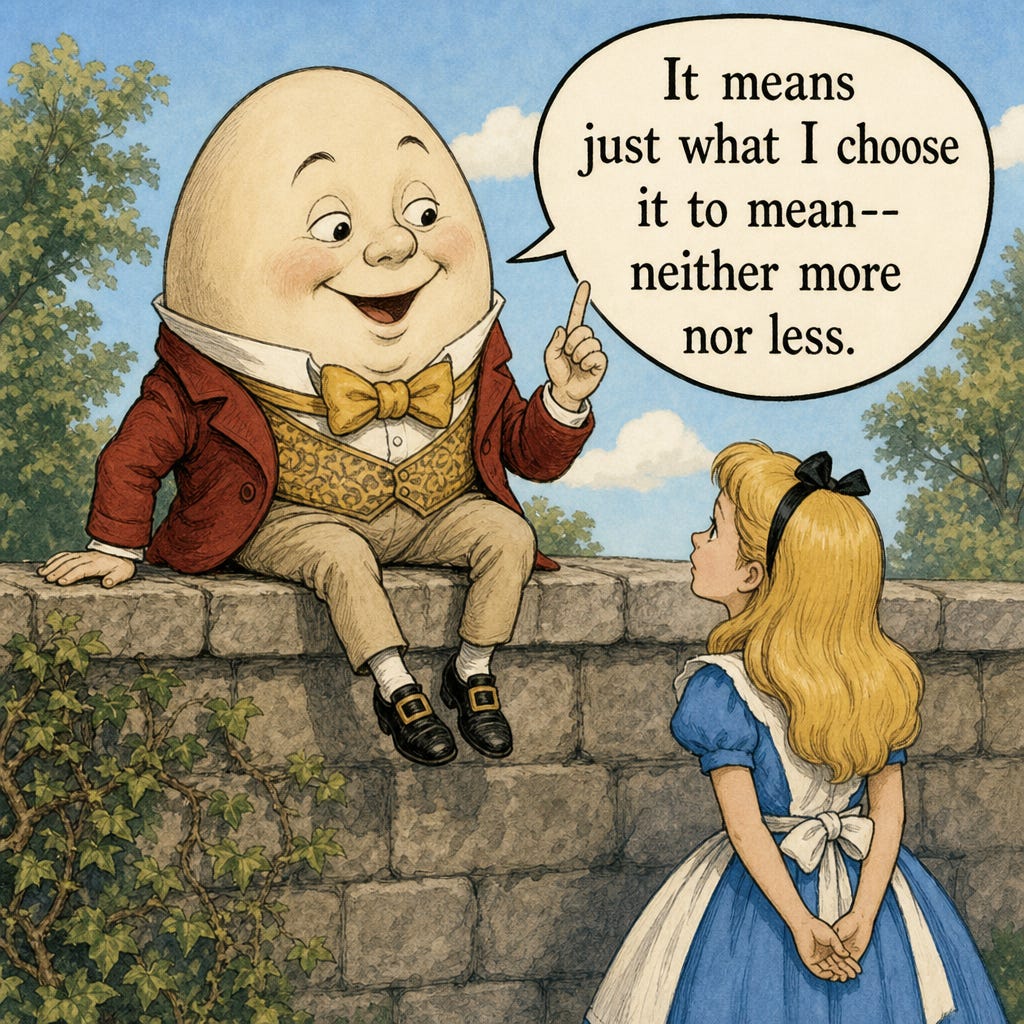
While Americans focus on wars, executive overreach, and constitutional crises, a quieter campaign is steadily weakening democracy’s foundations. By undermining science, expertise, education, and evidence-based reasoning, the administration is creating a society where facts become negotiable, confusion becomes permanent, and authoritarianism no longer needs to win arguments—it only needs to make truth impossible to find.
There are a lot of things to complain about or be fearful of from Donald Trump’s second administration, many of them existential in nature. We’re bombarded with so many things that it’s difficult sometimes to decide which we should be most concerned about. Should the ill-advised war on Iran be at the top of our lists, or is it Trump’s efforts to amend the Constitution by executive fiat? Therein lies a serious problem. He’s doing so many ‘big’ things; we’re in danger of ignoring the small things he’s doing that, like termites, are silently eating away at the foundation of our democracy.
One of these things is this administration’s war on science,
expertise, and critical thinking.
This war is not being waged in a dramatic, guns-roaring assault, but through a steady drip to make facts negotiable and experts suspect. When federal agencies cancel research grants, not because the work is weak but because the subject is politically inconvenient, the message is unmistakable: knowledge is welcome only when it flatters the leadership.
Recent reporting has documented many canceled or suspended NIH and NSF grants, including projects on infectious disease and cancer research. These actions had nothing to do with budgets. They were obedience lessons. Scientists are being told which questions are dangerous to ask, universities learn which fields of study might draw punishment, and the public learns that science is just another partisan tribe rather than a method for discovering truth.
We can see this same pattern in the administration’s hollowing out of federal expertise. When career scientists, public health officials, and other agency specialists are sidelined, fired, or forced to submit their work for political review, we lose more than a few obscure bureaucrats. Americans lose people such as technicians who assess chemical risks and forecast extreme weather, as well as experts who monitor emerging and re-emerging diseases and parasites like the New World screwworm, which is currently affecting livestock, wildlife, and pets in Texas. If a hurricane forecast is delayed, or a disease outbreak is misunderstood, the consequences are real in terms of danger to human life and damage to infrastructure. The results show up in hospital emergency rooms, flooded neighborhoods, and bodies in local morgues.
The administration’s actions also undermine critical thinking by training citizens to conflate skepticism with cynicism. Real skepticism asks for evidence, tests claims, and changes its mind when better evidence appears. Cynicism, on the other hand, assumes that everyone is lying.
The administration benefits from that confusion. If climate scientists, judges, journalists, or election workers can be dismissed as corrupt when their conclusions are inconvenient, then a shared reality is impossible.
Citizens are left to choose facts the way they choose teams. This is fatal to democracy, because true self-government requires more than just voting. It requires a public that is capable of weighing evidence, recognizing expertise, and distinguishing argument from propaganda.
Education is another front in this war on expertise. Attacks on universities, libraries, teachers, and curricula have been presented as efforts to protect students from ‘woke’ leftist ideology. In practice, the administration is discouraging students from asking hard questions about history, race, gender, climate, or government itself. A healthy democracy shouldn’t be afraid of young people learning to evaluate sources, challenge assumptions, and deal with complexity. Authoritarians, however, prefer a simpler model: memorize the approved narrative, distrust outsiders, and treat disagreement as treason.
What To Do?
Reversing this trend won’t be easy. It requires more than replacing one administration with another. Congress must reassert its power over research funding and protect agencies from political retribution. Scientific integrity rules must have teeth, including safeguards for data, whistleblowers, advisory boards, and career experts. Schools should teach media literacy, civics, and the habits of evidence-based reasoning as core skills, not as luxuries or electives. Journalists should push back against false balance that treats unsupported claims as equal to peer-reviewed evidence.
Citizens also have work to do. We all should support local libraries, defend teachers and scientists from intimidation, read beyond the partisan news feeds, and reward those leaders who can say, honestly, “I was wrong.”
The termites in our democratic foundation can still be exterminated, but only if we stop pretending that truth will defend itself. Expertise is not infallible, and science is not a priesthood. Both involve humans who are imperfect and always subject to revision. But they are also among the best tools we as free people have for understanding reality. A democracy that abandons these tools will not be more independent or courageous, nor will it be great. It becomes a polity that is easier to deceive. And once a people can no longer agree that evidence matters, the authoritarian no longer needs to win arguments. He only needs to keep us confused.
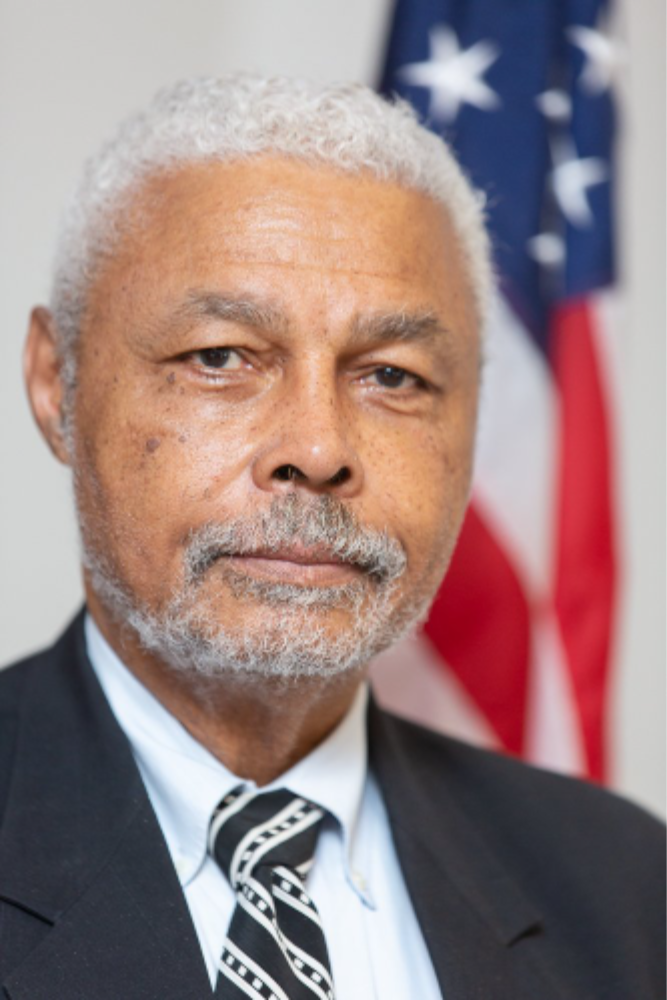
Charles A. Ray served 20 years in the U.S. Army, including two tours in Vietnam. He retired as a senior US diplomat, serving 30 years in the U.S. Foreign Service, with assignments as ambassador to the Kingdom of Cambodia and the Republic of Zimbabwe, and was the first American consul general in Ho Chi Minh City, Vietnam. He also served in senior positions with the Department of Defense and is a member of The Steady State.
Founded in 2016, The Steady State is a nonprofit 501(c)(4) organization of more than 400 former senior national security professionals. Our membership includes former officials from the CIA, FBI, Department of State, Department of Defense, and Department of Homeland Security. Drawing on deep expertise across national security disciplines, including intelligence, diplomacy, military affairs, and law, we advocate for constitutional democracy, the rule of law, and the preservation of America’s national security institutions.
Powered by WPeMatico