“Common Sense Take 2” : Change is up to Us
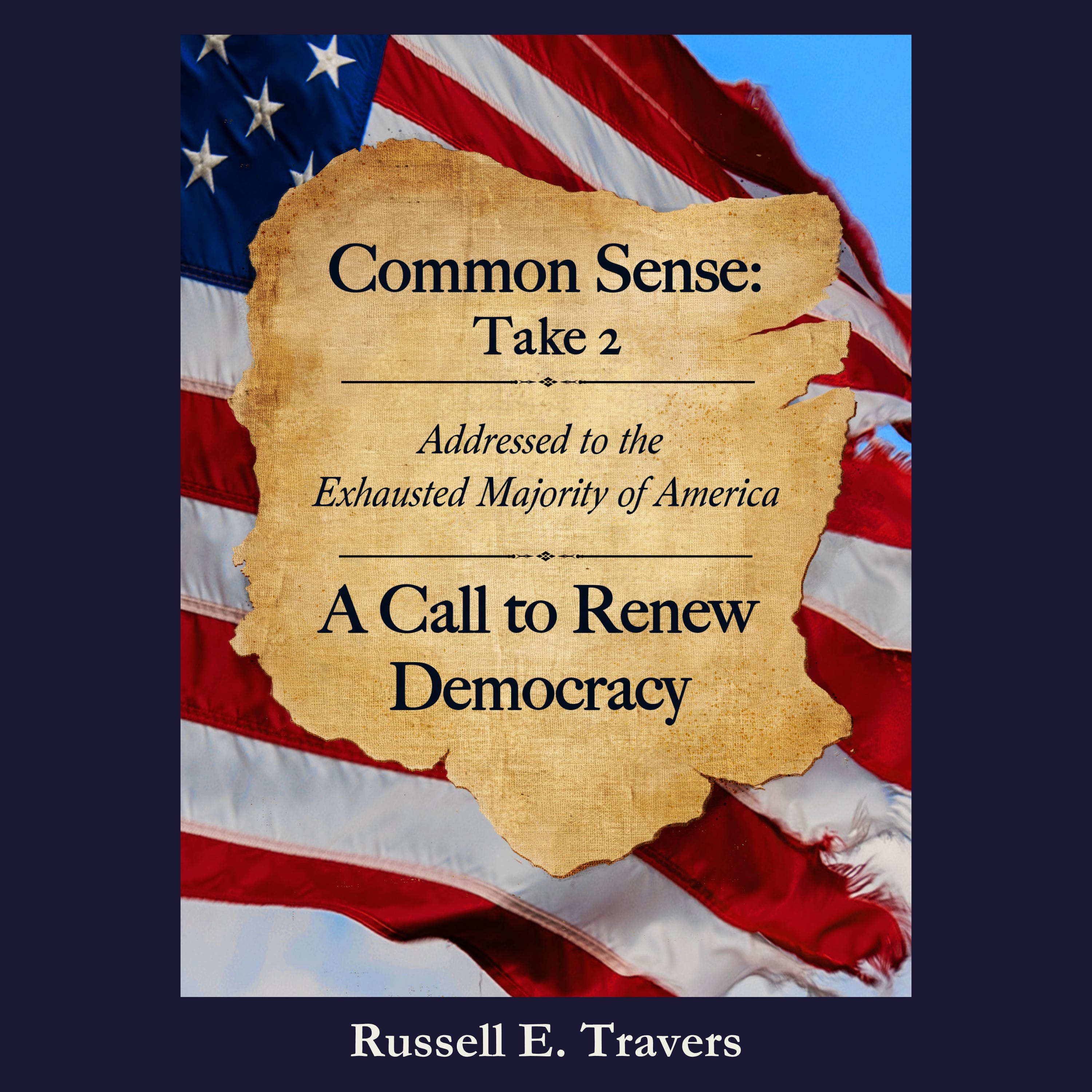
A new book, Common Sense: Take 2, A Call to Renew Democracy, contends that the United States is confronting not simply a political crisis but a deeper crisis of democratic capacity. Written by Russ Travers, a career public servant across multiple administrations who retired as Acting Director of the National Counterterrorism Center, focuses on the institutional, civic and cultural work needed to address this crisis.
Over each of the next five weeks, you’ll see commentary from The Steady State on each of the book’s five themes. This initial essay in this series, written by Charles Ray, addresses the theme: “The Exhausted Majority”
In times of uncertainty, people are tempted to step back and hope that someone else will solve all their problems. We tell ourselves that our elected officials, courts, legislatures, or other institutions will eventually correct what is wrong. Institutions do matter. They play a crucial role in any healthy democracy. But institutions are only as strong as the public culture that sustains them. When citizens are detached, cynical, exhausted, or intimidated into silence, even the best systems begin to falter.
That is why the current moment calls for something difficult but necessary: ordinary people must stop thinking of themselves as passengers and start acting like stewards. When the ship of state is drifting off course, the people on board can’t simply sit in their cabins and complain about the captain. At some point, they must help turn the ship around.
I’m not sounding the panic alarm, but this is a call to action. It is a call for responsibility. Democracies cannot survive on autopilot. They survive on participation, paying attention, honoring truth, showing up and asking questions, organizing, and holding elected leaders accountable. Compared to larger national and international problems, these might seem like small potatoes, but functioning civic life is made up of small, repeated acts of commitment. Government might be distant, but a community is always close enough to be shaped by our individual actions.
One of the biggest obstacles to public action is exhaustion. People are tired, and for good reason. They have to juggle work, family, bills, and an unending stream of ‘hair-on-fire’ headlines, detailing the outrageous excesses of a federal administration run amok. Public life can feel loud, manipulative, and hopeless, so it’s understandable that people want to pull away from it. But withdrawal comes with a high cost. When decent people disengage, the loudest voices control the agenda. When thoughtful people decide that participation is futile, the field is left to the most aggressive, the most extreme, or those who are most willing to exploit confusion or stoke the fires of chaos.
This doesn’t mean that everyone must become a full-time activist. Most of us can’t do that, and we don’t need to. What is needed in the current moment is a broad culture of citizenship: meaning, more of us doing what we can, where we are, with the time and resources that we have immediately at hand. For one individual, that might mean attending local school board or town council meetings. For another, it might mean helping an elderly or infirm neighbor register and vote, supporting local journalism, or something as simple as writing a letter to the editor of your local paper on an issue of local interest, such as the proliferation of power-hungry data centers. It could also mean just having honest conversations with friends and family, especially when disinformation and hopelessness begin to appear in your community.
Citizenship is not just about opposing what is wrong. It’s also about building what’s right. Communities are strengthened when we create trust, solve practical problems, and model decency and respect. Democracy is not sustained by outrage alone. It requires patience, discipline, and the willingness to work with others, including those with whom we might not agree on everything. The goal is not purity, or 100 percent agreement. The goal is progress, stability, and a public life grounded in dignity.
It’s essential to keep in mind that change, good or bad, rarely comes in one fell swoop. People often wait for that dramatic moment that will suddenly transform society. But more often than not, real change happens through persistence, unseen and unfelt until we wake up one morning, and it’s there. It happens because enough people decide that indifference and inaction are no longer acceptable. It happens because we keep showing up, even when results are slow to emerge, and the work is frustrating. Contrary to popular belief, history is shaped not only by heroes, but by legions of everyday citizens who refuse to knuckle under and surrender.
The ship of state is currently on an aberrant course, heading toward the shoals of authoritarianism, and it’s time to ‘turn the ship around.’ While it’s not yet time to panic, this phrase conveys both urgency and the need for shared effort. A ship doesn’t change direction instantly, and no single passenger can steer it alone. Turning it will require coordination, resolve, and movement in the same direction. In public life, it means rejecting passivity and negativity. It means understanding that democracy is not a spectator sport; it is a game that we must all play.
The ‘exhausted majority’ is understandably tired, but exhaustion doesn’t relieve us of our responsibilities as citizens. If anything, it makes our responsibilities even more urgent and important. The future of a free, fair, and decent society cannot rest solely in the hands of institutions or even elected leaders. It depends on ordinary people who are willing to enter public life with courage, seriousness, and perseverance.
The ship of state will not turn itself. If we want it on a better course, we must be willing to help steer it.
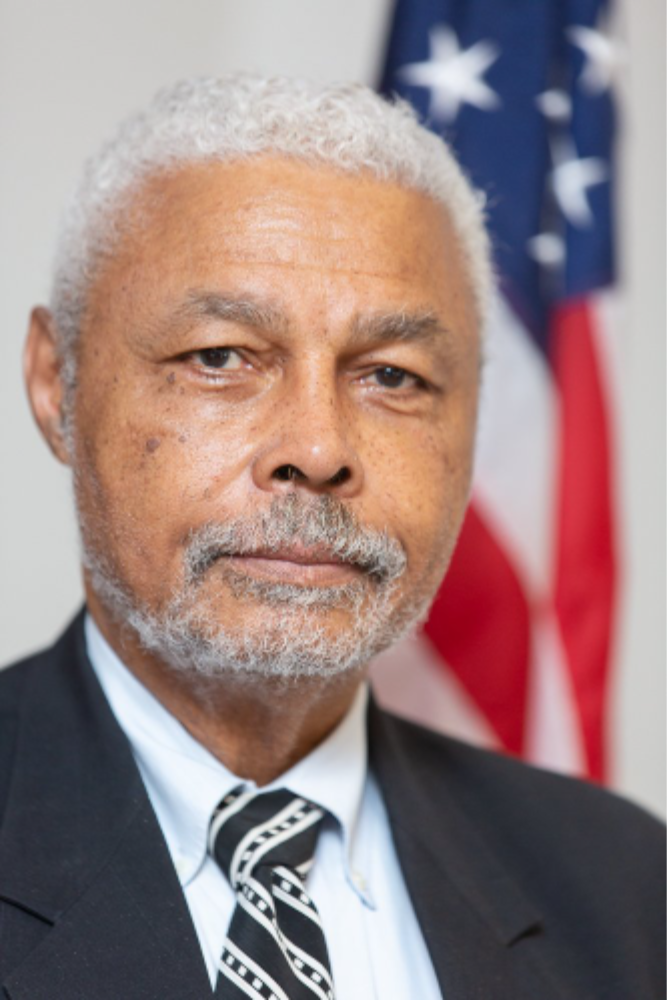
Charles A. Ray served 20 years in the U.S. Army, including two tours in Vietnam. He retired as a senior US diplomat, serving 30 years in the U.S. Foreign Service, with assignments as ambassador to the Kingdom of Cambodia and the Republic of Zimbabwe, and was the first American consul general in Ho Chi Minh City, Vietnam. He also served in senior positions with the Department of Defense and is a member of The Steady State.
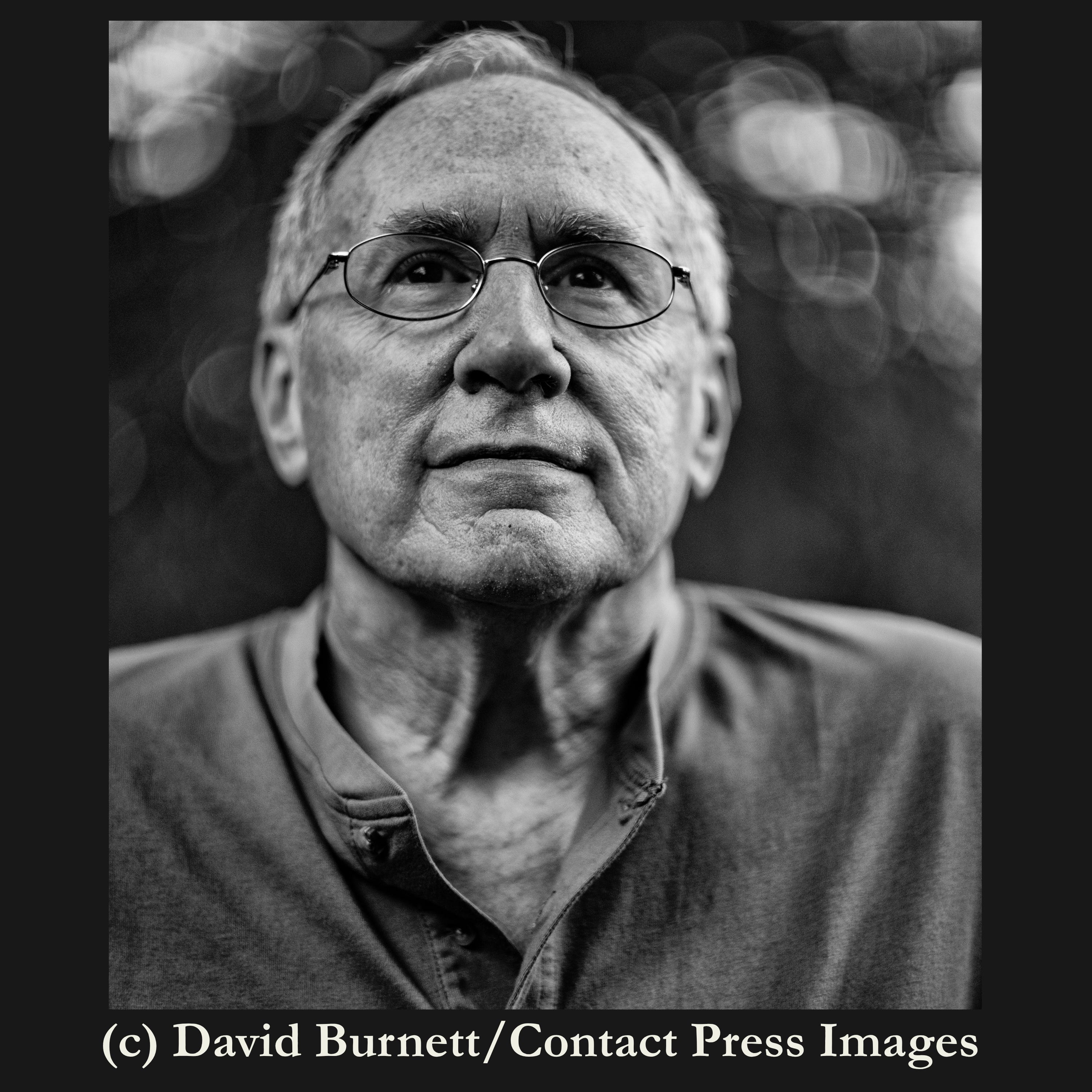
The Author of Common Sense: Take 2, A Call to Renew Democracy , Russ Travers, is a Veteran National Security leader with 47 years of service across U.S. Intelligence, Counterterrorism, and Homeland Security. He is a former Acting Director of the National Counterterrorism Center and former Acting Director National Security Advisor. He is a member of The Steady State.
Founded in 2016, The Steady State is a nonprofit 501(c)(4) organization of more than 390 former senior national security professionals. Our membership includes former officials from the CIA, the FBI, the Department of State, the Department of Defense, and the Department of Homeland Security. Drawing on deep expertise across national security disciplines, including intelligence, diplomacy, military affairs, and law, we advocate for constitutional democracy, the rule of law, and the preservation of America’s national security institutions.
Powered by WPeMatico