
Hold Fast: Political Corruption

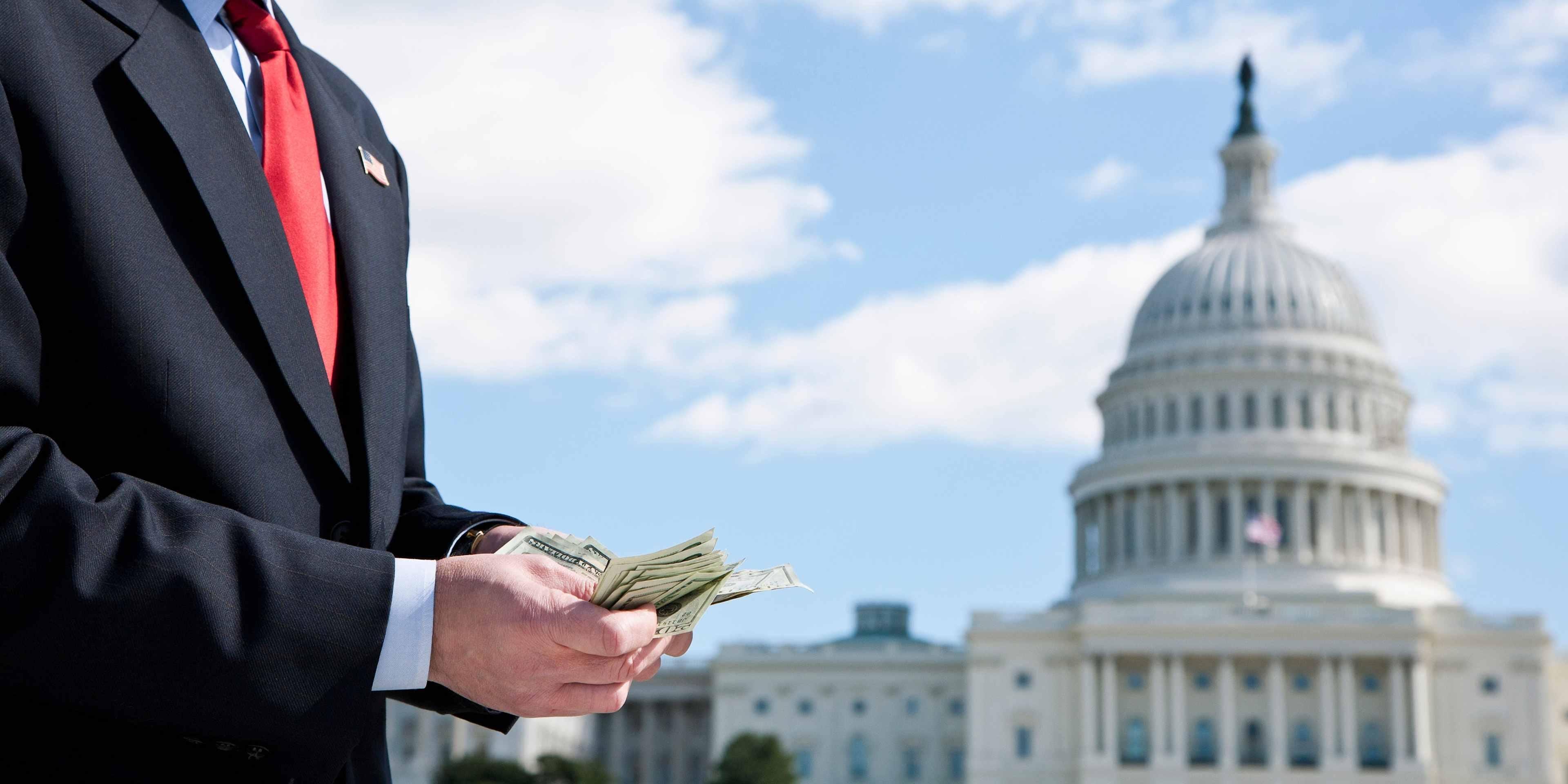
A republic rarely falls because of a single corrupt act. Democracy is more often weakened over time, as conduct once considered unacceptable becomes tolerated and eventually familiar. Political corruption is usually discussed as an ethical or legal problem, and appropriately so. What receives less attention is the vulnerability it creates for our national security.
Public office carries authority that belongs to our citizens. When authority is used for personal or financial benefit, it creates an environment that is ripe for exploitation by foreign governments. Our laws prohibit foreign involvement in our elections to ensure that Americans decide who holds political power in this country.
The harder questions usually fall outside such clear boundaries. Political contributions are legal and necessary to campaigns. Business relationships are not inherently suspicious, and meeting with donors does not establish corruption. Nor should disagreement over foreign policy become grounds for accusing someone of serving a foreign interest. In an increasingly polarized political environment, we should be particularly careful about making accusations that the evidence does not support. Additionally, something doesn’t have to be criminal to create a conflict of interest or vulnerability. These conflicts can affect judgment and create leverage regardless of political party or position.
Our institutions depend upon citizens believing that decisions are being made in the public interest and that the rules apply to. They also depend upon public servants being able to offer their professional judgment, inspectors general and other oversight bodies being allowed to do their work, and officials being willing to answer legitimate questions about conflicts of interest. When those expectations weaken, institutional performance can weaken with them.
Foreign adversaries understand these vulnerabilities. They do not always need to penetrate a computer network, steal classified information, or interfere directly with the mechanics of an election to advance their interests. Influence can develop through relationships built over time. Financial dependence can create leverage. Information can be manipulated or amplified to deepen divisions that already exist in American society. Money can also move through organizations and intermediaries in ways that make its origins difficult for the public to understand.
This is why campaign finance is relevant to national security. The larger question is whether foreign or undisclosed interests can gain influence over American decision-making and whether our institutions are strong enough to recognize that influence when it occurs. Experience has taught the national security and diplomatic communities to look beyond a single event and examine relationships, motivations, vulnerabilities, and behavior over time. We should bring the same discipline to questions involving political corruption.
That does not mean treating every questionable relationship as evidence of wrongdoing. Efforts to obscure the source of political money, relationships with foreign entities, or unusual access for major donors should raise legitimate questions. A contribution, business connection, or policy decision by itself does not establish corruption. What deserves closer examination is a pattern of behavior that cannot be readily explained and an unwillingness to provide enough transparency to resolve reasonable questions.
These questions belong in our elections, congressional hearings, oversight processes, and public debate, regardless of which party holds power. If our concern about corruption changes according to the political affiliation of the person involved, then accountability itself becomes partisan and loses much of its value.
Political corruption is unlikely to arrive labeled as a national security crisis. The greater concern is what happens over time when relationships become harder to see, oversight weakens, and the public becomes less certain about whose interests its government is serving. Foreign competitors need only recognize the weakness within our democracy that we have allowed to develop.
The United States invests enormously in its military, intelligence capabilities, borders, cyber defenses, and critical infrastructure because protecting the country requires anticipating vulnerabilities before they become crises. The integrity of our political institutions deserves the same seriousness. Those institutions determine how national power is used, whose advice is heard, how resources are allocated, and ultimately whose interests the American government serves.
Protecting a constitutional republic is not solely the responsibility of those who hold office. It also requires citizens willing to pay attention, institutions willing to examine themselves, and public officials willing to accept scrutiny as part of the responsibility that comes with power. We should be careful with accusations of corruption, but we should be equally careful about becoming accustomed to conduct that would once have caused us to ask difficult questions.
Citizens can ask those questions without becoming campaign finance attorneys or intelligence analysts.
Why is a particular policy in the American interest?
Who had access while the decision was being made, and who stands to benefit from it?
Are there financial or foreign relationships that should be disclosed?
Is the person seeking public trust willing to live under the same standards of transparency and accountability they expect from others?
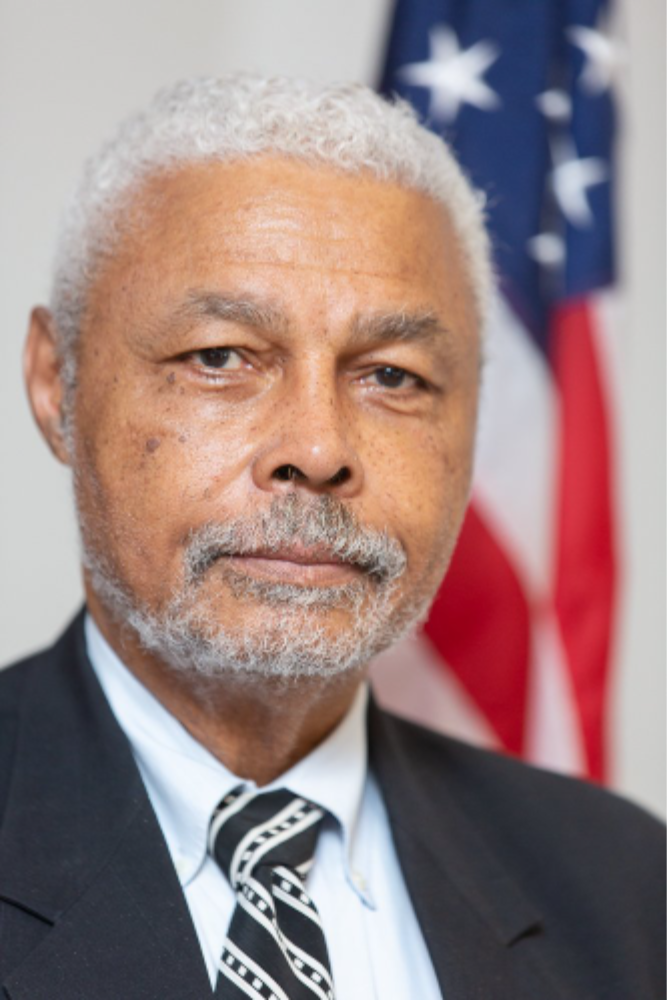
Charles A. Ray served 20 years in the U.S. Army, including two tours in Vietnam. He retired as a senior US diplomat, serving 30 years in the U.S. Foreign Service, with assignments as ambassador to the Kingdom of Cambodia and the Republic of Zimbabwe, and was the first American consul general in Ho Chi Minh City, Vietnam. He also served in senior positions with the Department of Defense and is a member of The Steady State.
Dr. Kishla Askins is a 30-year U.S. Navy veteran whose career has spanned military service, national security, healthcare, government, the private sector, and research. She served alongside the U.S. Marine Corps during deployments to Iraq and in assignments across the Middle East and Africa. She later held senior leadership positions in the U.S. Senate, the Pentagon, and the Department of Veterans Affairs, where she served as Deputy Assistant Secretary. Her doctoral research focuses on the biosecurity risks associated with a warming Arctic and their implications for national and global security. She is a member of The Steady State.
Founded in 2016, The Steady State is a nonprofit 501(c)(4) organization of more than 390 former senior national security professionals. Our membership includes former officials from the CIA, FBI, Department of State, Department of Defense, and Department of Homeland Security. Drawing on deep expertise across national security disciplines, including intelligence, diplomacy, military affairs, and law, we advocate for constitutional democracy, the rule of law, and the preservation of America’s national security institutions.
Powered by WPeMatico