
The Day Before – September 10, 2001
By Harry Hannah
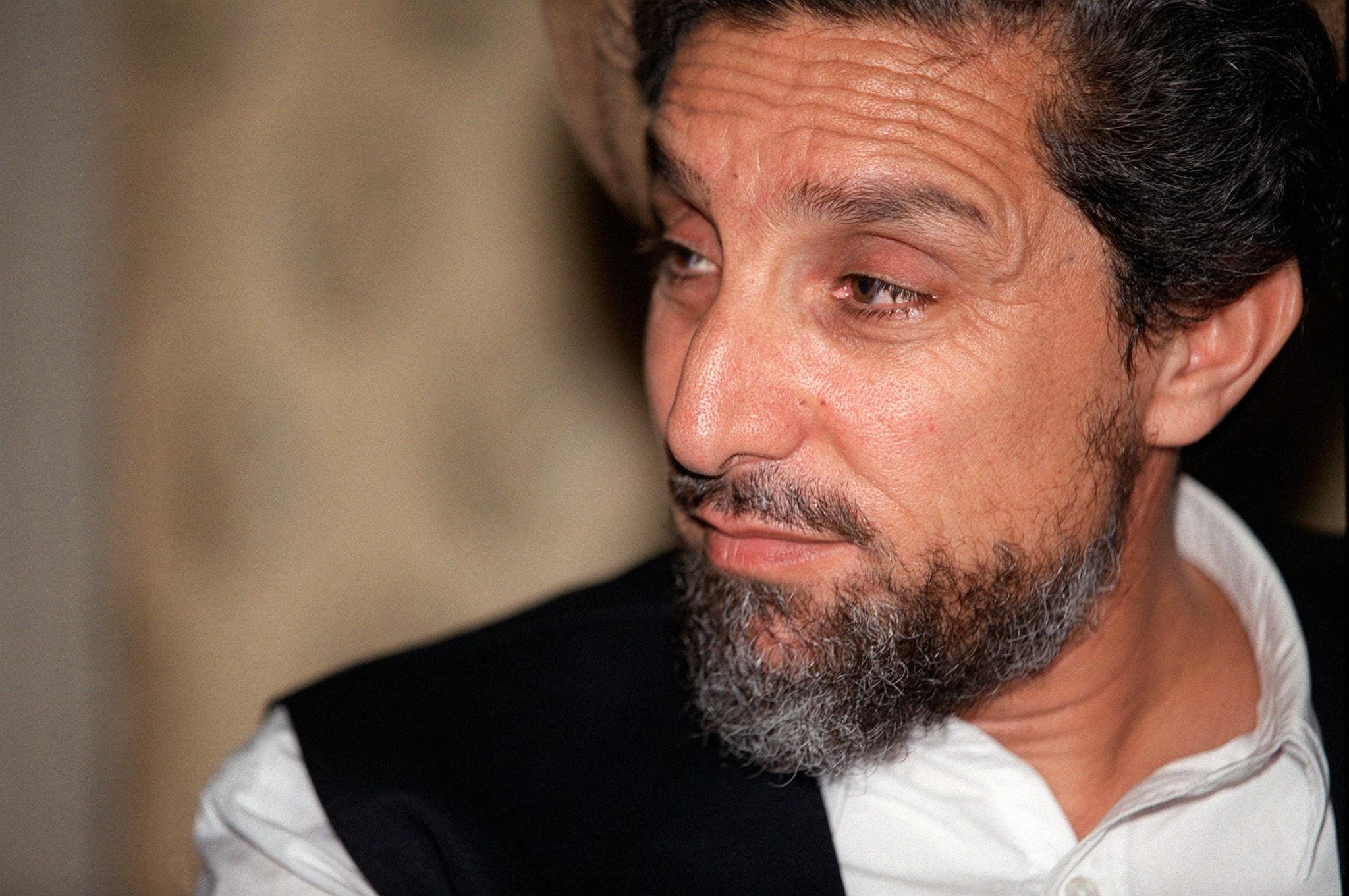
Ahmad Shah Massoud, leader of Afghanistan’s Northern Alliance, in 2001—two days before the attacks of September 11.
Twenty-five years later, I still think about a phone call the night before 9/11—and what it says about what intelligence can see, what it can miss, and why expertise matters.
September 10, 2001 about 7PM, a colleague and friend called me. He had left the government several years prior and we had not had much contact. After some chit-chat and bad jokes, he got serious and asked me if I had seen the news about Afghanistan. I had. He was referring to the assassination of Ahmed Shah the leader of the Northern Alliance, the most capable anti-Taliban group. At that time, it was not clear who had conducted the attack although he worried that it was Al Qaeda. After talking about implications for Afghanistan and the region, he speculated that the Taliban and Al Qaeda wanted Ahmed Shah out of the way and very seriously said that he thought something really bad was going to occur, although he had no idea what.
It did the next day.
My friend had no classified information and he had been out of government for several years but he had the insights and instincts of a Middle East/South Asia expert based on years of study academically and professionally. Even out of government he followed the issues and remained committed. He had been an Afghan analyst in the late 1980’s/early 1990’s focusing on the mujahidin (which included Osama bin Laden) who were, during those years, our “allies” against the Soviets and Soviet-backed government of Afghanistan.
Relearning Lessons
Over the last 25 years I have periodically reflected on that conversation. His analysis provided no more detail than what the US already had — as indicated in the August 6 Presidential Daily Brief entitled “Al Qaeda determined to strike the US”. But it reinforces some of the critical lessons the US repeatedly needs to re-learn.
Deep Understanding is Essential
In-depth understanding of the world is essential to our national security and that it is gained by long-term, patient study and analysis. My friend had years of regional experience and had studied the groups and individuals involved for some time. He was not a part of some quick-reaction “fire-brigade” task force cobbled together at the last minute; a tool we rely upon far too often as we ricochet among crises. Exquisite intelligence collection systems or advanced AI are also unlikely to have replicated the deep, nuanced understanding gained years before regarding the societies, groups, and people.
We too often forget that surprise almost by definition comes from the things you are not looking for. My friend had worked on Afghan issues and the region for several years including during a period when many were pushing to cut resources and re-prioritize to the hot topics of the day following the Soviet withdrawal from Afghanistan in 1989. Some have speculated about the impact of this de-prioritization of Afghanistan (as depicted near of the end of the movie “Charlie Wilson’s War”) as a contributing factor to the rise of the Taliban and the rise of movements like Al Qaeda. However, one of the jobs of the Intelligence Community should be to serve as the eyes and ears, collecting information and analyzing issues that others do not have the time or inclination to address. The US took its eyes off the problem and it metastasized.
The US and World are Deeply and Inextricably Interconnected
The whole experience of 9/11 and its aftermath is also a great lesson that the American people must appreciate that the world is inextricably interconnected in ways many Americans have a hard time comprehending. In 2001, a non-state group, living in a remote Central Asian country (governed by a 12th century movement) was able to conduct the deadliest external attack on American soil since the War of 1812. It’s important to note also this non-state group felt the need to attack the US, some 7000 miles away, in its pursuit of its agenda.
This interconnectedness has only grown in the past 25 years and we are now collectively linked to other countries more than at any time in history. All the isolationist and xenophobic racism of “American First” is not going to change this interconnectedness, it will only result in the US being excluded, disrespected, and impoverished. America must realize that in effect our neighbors are not just next door, or even across the country, but on the other side of the world.
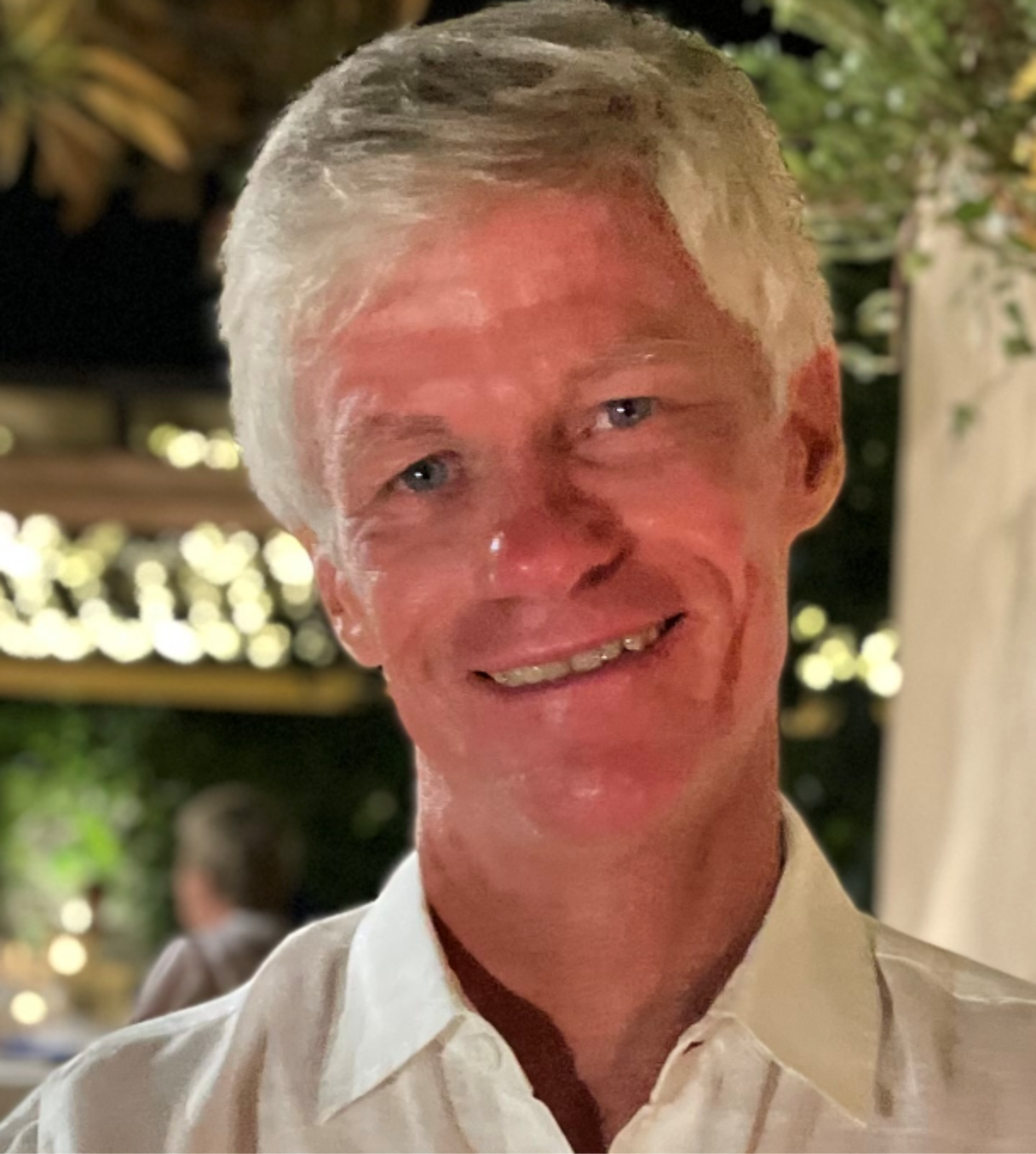
Harry Hannah retired after four decades of experience in the Intelligence Community. He retired from the CIA in 2018. About half that time was focused on analyzing the capability of multiple foreign militaries in direct support of US military planning and operations and national level decision making. He is a member of The Steady State.
All statements of fact, opinion, or analysis expressed are those of the author and do not reflect the official positions or views of the US Government. Nothing in the contents should be construed as asserting or implying US Government authentication of information or endorsement of the author’s views.
Founded in 2016, The Steady State is a nonprofit 501(c)(4) organization of more than 400 former senior national security professionals. Our membership includes former officials from the CIA, FBI, Department of State, Department of Defense, and Department of Homeland Security. Drawing on deep expertise across national security disciplines, including intelligence, diplomacy, military affairs, and law, we advocate for constitutional democracy, the rule of law, and the preservation of America’s national security institutions.
Powered by WPeMatico