
The Epstein files—a choice between accountability and a spectacle
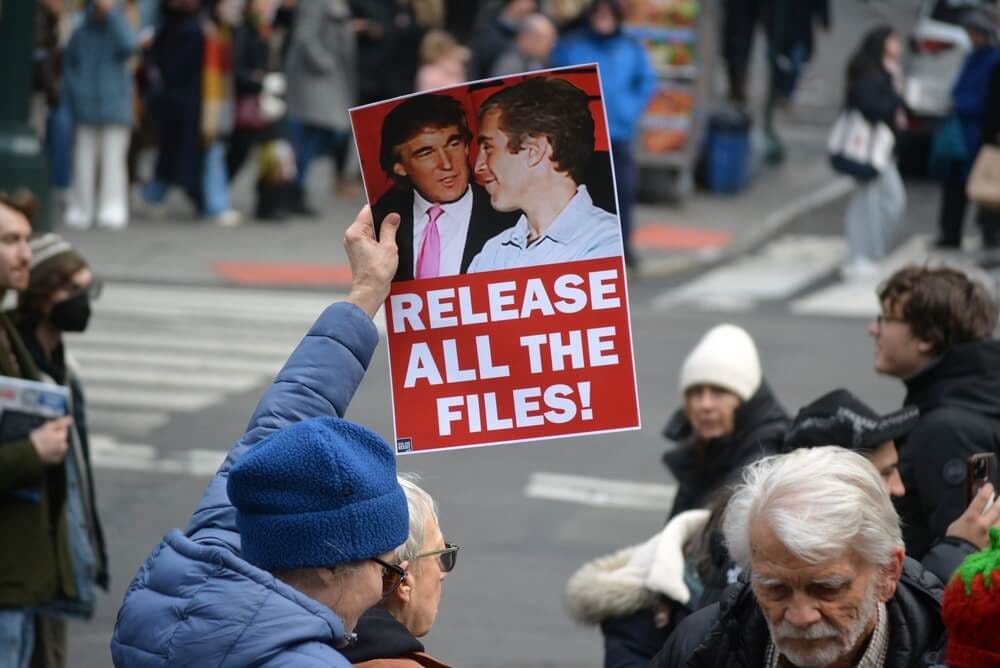
The phrase “release the Epstein files” has such rhetorical power because it promises moral clarity. It offers the public a cathartic moment, exposure, accountability, a sense that the powerful can’t hide behind the system.
And in a political culture that increasingly treats outrage as both a pastime and a strategy, it can feel especially satisfying: like we’re sticking it to our opponents and shaking loose a network of predators.
But the pleasure should instead signal a warning light.
The bigger danger in an all-at-once “files” release isn’t that we’ll learn something uncomfortable about famous people. It’s that we’ll further damage the one thing a society cannot function without: credible trust in the rule-of-law process, law enforcement, prosecutors, courts, and the professionalism that makes those institutions something other than weapons.
If our standard for justice becomes “dump everything and let the internet sort it out,” we are not strengthening accountability. We’re degrading it into a spectacle.
The process is the point
We’ve built a serious, rights-protecting system over many decades because we learned, often the hard way, that justice is fragile.
It requires rules. It requires restraint. It requires a chain of custody, evidentiary standards, defense rights, judicial oversight, and accountability mechanisms that are boring precisely because they are meant to be fair.
That system is not perfect. But it’s the only system designed to produce outcomes that can be defended as legitimate rather than simply popular.
Please read here the entire article published by Tomorrow’s Affairs on February 2, 2026
John Sipher ( @johnsipher.bsky.social ) is a non-resident senior fellow at the Atlantic Council and co-founder of Spycraft Entertainment. He worked for the CIA’s Clandestine Service for 28 years and is the recipient of the Agency’s Distinguished Career Intelligence medal. He is also a host and producer of the “Mission Implausible” podcast, exploring conspiracy theories. He is a member of The Steady State and a host of The Steady State Sentinel Podcast.
Founded in 2016, The Steady State is a nonprofit 501(c)(4) organization of more than 360 former senior national security professionals. Our membership includes former officials from the CIA, FBI, Department of State, Department of Defense, and Department of Homeland Security. Drawing on deep expertise across national security disciplines, including intelligence, diplomacy, military affairs, and law, we advocate for constitutional democracy, the rule of law, and the preservation of America’s national security institutions.
Powered by WPeMatico